Office Cleaning in Modern Workspaces: A Practical Approach to Healthier, More Productive Offices
Why Office Cleaning Matters More Than Ever

Office cleaning is no longer just about making a space look neat. In today’s workplace, cleanliness plays a direct role in employee wellbeing, productivity, brand image, and even the overall culture of an organization. Whether you manage a small startup, a corporate headquarters, or a shared coworking space, consistent office cleaning helps create an environment where people can focus, collaborate, and feel comfortable throughout the day.
A clean office also supports hygiene. High-touch surfaces, shared equipment, and busy common areas can quickly accumulate dust, germs, and clutter. Without a reliable cleaning routine, the workspace can feel chaotic and uninviting. That is why many businesses invest in professional office cleaning services to maintain a consistent standard that employees and visitors can notice immediately.
Beyond appearances, office cleaning contributes to a healthier indoor environment. Dust buildup, neglected restrooms, and dirty carpets can affect air quality and contribute to allergies or discomfort. When cleaning is done properly and on schedule, it reduces these issues and helps keep the workplace safer for everyone.
Understanding the Scope of Office Cleaning

Office cleaning covers a wide range of tasks, and the exact scope often depends on the size of the workplace, the type of business, and the level of foot traffic. A basic service may include vacuuming, mopping, dusting, waste removal, sanitizing restrooms, and cleaning shared areas. More advanced commercial office cleaning plans may also include carpet care, window cleaning, floor polishing, and deep sanitation for high-use spaces.
It is important to understand that office cleaning is not a one-size-fits-all service. A law firm, for example, may need a discreet and detail-oriented approach, while a creative agency may prioritize open-plan workstation cleaning and frequent breakroom maintenance. As a result, the best cleaning plan is one that matches the office layout, schedule, and operational needs of the business.
Many organizations also benefit from separating daily cleaning from periodic deep cleaning. Daily office cleaning focuses on the basics that keep the environment tidy and hygienic, while deeper cleaning tasks address areas that are easy to overlook over time. This layered approach helps maintain a professional standard without disrupting workflows.
Key Areas That Require Regular Attention
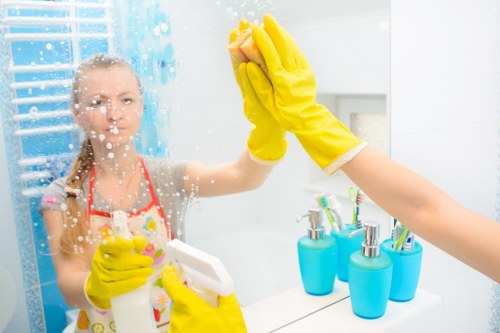
Some parts of the office need more frequent care than others. Common touchpoints like door handles, elevator buttons, desk surfaces, and shared technology should be cleaned regularly because they are handled by many people throughout the day. These areas are especially important in office cleaning because they can become hotspots for germs and grime.
Restrooms are another major priority. A spotless restroom signals that the workplace values health, dignity, and attention to detail. Proper restroom office cleaning includes disinfecting sinks, toilets, counters, mirrors, dispensers, and floors, along with restocking supplies and removing odors. When this area is neglected, it affects the entire workplace impression.
Break rooms, kitchens, and lounge spaces also need consistent care. These are high-traffic areas where employees eat, store food, and socialize. Food residue, spills, and overflowing bins can quickly create unpleasant odors and attract pests. Regular office cleaning in these spaces supports both hygiene and morale.
Reception and Client-Facing Areas
Reception spaces are often the first place clients, vendors, and job candidates see. A polished front office can make a strong first impression before any conversation even begins. That is why office cleaning should always include dust-free surfaces, clear glass, tidy seating, spotless floors, and organized decor in the reception area.
Client-facing areas also reflect your standards as a business. If the lobby looks dirty or cluttered, it may suggest poor organization elsewhere. On the other hand, a fresh and well-maintained environment communicates professionalism and care. For many companies, this is one of the biggest reasons to prioritize regular office cleaning services.
Conference rooms deserve special attention too. These spaces may be used by executives, employees, and guests throughout the week. Cleaning tables, chairs, screens, and presentation equipment helps ensure the room is always ready for meetings. It also reduces distractions and creates a more comfortable setting for discussion and decision-making.
Benefits of Professional Office Cleaning
Professional office cleaning offers advantages that go far beyond surface-level appearance. One of the biggest benefits is consistency. Trained cleaners follow a schedule and checklist that ensures tasks are completed properly and on time. This helps businesses maintain a predictable standard without placing extra responsibility on employees.
Another major advantage is improved productivity. A clean office makes it easier for employees to concentrate because they are not distracted by clutter, odors, or messy surroundings. Office cleaning can also reduce the time staff spend tidying shared areas, allowing them to focus more on their actual work. A pleasant environment often supports better motivation as well.
Professional services also bring expertise and equipment. Many cleaning companies use specialized products, microfiber systems, and floor care tools that are more effective than basic household supplies. That means deeper sanitation, better results, and less risk of damaging office furniture or surfaces.
How Office Cleaning Supports Employee Health
Health and cleanliness are closely connected in any workplace. When desks, keyboards, door handles, and communal surfaces are not cleaned regularly, bacteria and viruses can spread more easily. A strong office cleaning routine helps lower that risk by removing contaminants before they become a larger problem. This matters in offices where many people share the same environment for long hours each day.
Air quality is another factor that affects employee health. Dust, dirt, and mold can build up over time in carpets, vents, and hidden corners. With regular office cleaning, these issues are easier to manage, and the workplace feels fresher overall. This can be especially helpful for employees who deal with allergies or respiratory sensitivities.
A healthier environment can also improve morale. Employees generally feel more respected when their workspace is clean and well cared for. Small details like empty bins, fresh restrooms, and polished desks send the message that the business values comfort and wellbeing. In many cases, this supports stronger retention and a better workplace culture.
Reducing Sick Days and Absences
One of the most practical benefits of office cleaning is that it may help reduce the spread of illness. When frequently touched surfaces are sanitized on a regular basis, there is less opportunity for germs to circulate. This can lead to fewer sick days and less disruption to team schedules.
While no cleaning routine can eliminate all illness, it can certainly improve the odds of maintaining a healthier workplace. For businesses that rely on constant collaboration, even a small reduction in absences can make a meaningful difference in efficiency and workflow.
Choosing the Right Office Cleaning Schedule
Every office has different cleaning needs, so the right schedule depends on usage, layout, and staff size. A small office with limited traffic may only need service a few times per week, while a busy corporate setting may require daily attention. The goal is to match the cleaning frequency to the demands of the space.
Common scheduling options include daily office cleaning, weekly service, and periodic deep cleaning. Daily cleaning works well for restrooms, reception areas, and kitchens. Weekly cleaning may focus on more detailed tasks such as dusting shelves, disinfecting appliances, and vacuuming less-used spaces. Deep cleaning is often scheduled monthly or quarterly to handle areas that need more intensive care.
Flexibility is important too. Many companies prefer cleaning after business hours so staff can work without interruption. Others choose early morning service or weekend cleaning depending on their operating hours. The best cleaning plan is the one that protects workflow while keeping the office consistently clean.
Factors That Influence Frequency
- Number of employees and visitors
- Type of business and level of client traffic
- Presence of kitchens, break rooms, or multiple restrooms
- Flooring type and surface materials
- Seasonal factors such as wet weather or dust buildup
These factors help determine whether your office needs routine maintenance, deeper sanitation, or both. A customized office cleaning plan ensures you are not overpaying for unnecessary tasks or undercleaning spaces that need more care.
What a Quality Office Cleaning Checklist Should Include
A good checklist is essential for reliable office cleaning. It helps cleaners stay organized and ensures that no important detail is missed. While every workplace is different, a strong checklist typically includes dusting, vacuuming, mopping, waste removal, restroom sanitization, and cleaning of high-touch surfaces.
Below is an example of what many businesses expect from a professional office cleaning routine:
- Empty waste bins and replace liners
- Disinfect desks, counters, and shared surfaces
- Vacuum carpets and rugs
- Mop hard floors
- Clean and sanitize restrooms
- Wipe kitchen and breakroom areas
- Dust furniture, shelving, and fixtures
- Clean glass doors and interior windows
- Spot-clean walls, handles, and switches
- Restock paper goods and hygiene supplies
This list can be expanded to include specialized services such as carpet extraction, upholstery care, and floor stripping. The more detailed the checklist, the easier it is to keep office cleaning consistent and measurable.
Why Checklists Improve Results
Checklists reduce guesswork. They help cleaning teams work methodically and allow businesses to confirm that tasks are being completed. A clear list also makes it easier to adapt office cleaning services when the business grows or changes layout.
In addition, checklists support accountability. When cleaning tasks are documented, there is less room for confusion about what was done and when. That kind of clarity is valuable for both office managers and cleaning providers.
Specialized Cleaning for Different Office Types
Not all offices operate the same way, which means office cleaning services must be tailored to the environment. A medical office, for instance, has far more stringent sanitation requirements than a standard administrative workplace. Similarly, a tech startup with an open layout may need frequent dusting and workstation care, while a financial institution may focus heavily on presentation and security-sensitive cleaning procedures.
Co-working spaces present another unique challenge. These shared environments often include rotating users, common desks, meeting rooms, and communal kitchens. Because of the high turnover, office cleaning in these spaces needs to be both frequent and detail-oriented. Shared surfaces must be sanitized regularly to maintain comfort and trust among users.
Warehouses with office sections, educational offices, and customer service centers each bring their own cleaning demands as well. The best approach is to treat office cleaning as a flexible service that supports the unique rhythm of the business rather than forcing every location into the same routine.
Open-Plan vs. Private Offices
Open-plan offices often require more attention to desk areas, cables, shared devices, and communal meeting spots. Since many people work close together, clutter can spread quickly. Private offices may need less frequent surface wiping but more focus on individual workspace organization and dust accumulation.
Regardless of layout, office cleaning should be designed to support the actual way employees use the space. That means thinking not only about appearance but also about traffic flow, materials, and how often each area is touched.
Eco-Friendly Office Cleaning Options
Many businesses today are interested in greener cleaning practices. Eco-friendly office cleaning uses products and methods designed to reduce harsh chemicals while still delivering strong results. This can be a smart choice for offices that want to support sustainability, improve indoor air quality, or create a more comfortable atmosphere for sensitive employees.
Green cleaning products often contain fewer volatile compounds and may be safer for frequent use. Microfiber cloths, controlled dilution systems, and reusable tools can also reduce waste. These methods allow businesses to maintain hygiene without relying heavily on aggressive substances that may leave behind strong odors or residues.
Sustainable office cleaning is also a brand message. When a company chooses responsible cleaning practices, it shows awareness of environmental impact and employee wellbeing. For many organizations, this aligns well with modern workplace values and corporate responsibility goals.
Common Eco-Friendly Practices
- Using low-toxicity cleaning products
- Choosing refillable dispensers and reduced packaging
- Implementing microfiber cleaning systems
- Prioritizing water-efficient methods
- Reducing disposable materials where possible
These practices can be incorporated into nearly any office cleaning program without sacrificing quality or consistency.
How to Evaluate an Office Cleaning Provider
When selecting an office cleaning provider, businesses should look beyond price alone. Reliability, attention to detail, communication, and flexibility all matter. A low-cost service may seem appealing at first, but if the quality is inconsistent, the office may still appear unkempt or unhygienic. In office cleaning, dependability is often worth more than the cheapest quote.
It helps to ask about cleaning methods, staff training, scheduling options, and quality control. Businesses should also confirm whether the provider can handle both routine maintenance and specialized tasks. For example, some offices may need carpet treatment, floor polishing, or after-event cleanup in addition to daily service.
Another important factor is customization. The best office cleaning providers can adjust their services to match your hours, building rules, and privacy requirements. If your workplace contains sensitive documents, expensive equipment, or customer data areas, a provider should be able to clean carefully and respectfully around those zones.
Questions Worth Considering
Before choosing a cleaning partner, consider the following:
- Do they offer flexible schedules?
- Can they handle both routine and deep cleaning?
- Do they use professional-grade tools and products?
- Is their service suitable for your office size and layout?
- Can they adapt to special requirements?
These questions can help narrow your options and lead you to an office cleaning solution that truly fits your workplace.
Maintaining Cleanliness Between Scheduled Services
Even with professional office cleaning, employees and managers should take steps to maintain order during the workday. Small habits can make a big difference in how long an office stays clean. Simple actions like wiping personal desks, cleaning spills quickly, and keeping shared spaces tidy help support the overall cleaning routine.
Encouraging staff to respect common areas can also improve results. When employees place trash in bins, return kitchen items to their proper places, and avoid leaving clutter in meeting rooms, the office remains more presentable between service visits. This teamwork makes the most of the cleaning schedule and protects the value of the service.
Some offices also post basic cleanliness expectations in break rooms or near shared equipment. These reminders do not replace office cleaning, but they do reinforce shared responsibility. A workplace that values neatness usually benefits from a cleaner, calmer atmosphere overall.
Simple Daily Habits That Help
- Clear desks before leaving for the day
- Dispose of food waste properly
- Wipe spills immediately
- Return shared items after use
- Keep cables and personal items organized
These habits support a professional environment and make it easier for cleaning teams to do their work efficiently.
The Business Case for Investing in Office Cleaning
Office cleaning should be viewed as an investment rather than a cost. A well-maintained workplace can support stronger employee satisfaction, better client impressions, and fewer disruptions caused by dirt, clutter, or poor hygiene. Over time, regular cleaning can also help protect furniture, carpets, and fixtures from premature wear.
That protection matters financially. Dirt and grime can damage surfaces, while neglected floors and upholstery may need replacement sooner than expected. In that sense, office cleaning helps preserve assets and maintain a professional setting at the same time.
There is also a reputational benefit. When clients walk into a spotless office, they are more likely to view the business as detail-oriented and reliable. This may influence trust, relationships, and future opportunities. In competitive industries, these small impressions can matter a great deal.
Final Thoughts on Office Cleaning in the Workplace
Office cleaning is essential to running a healthy, efficient, and professional workplace. It supports hygiene, enhances morale, improves productivity, and strengthens the overall image of a business. Whether you need daily cleaning, periodic deep cleaning, or a tailored commercial plan, the right strategy can transform the way your office looks and feels.
By focusing on high-touch surfaces, shared spaces, restrooms, reception areas, and employee workstations, you can maintain a cleaner environment that benefits everyone who enters the building. If your office is ready for better results, now is the time to take action.
Book your service now and keep your workplace looking its best. Contact us today to take the next step toward a cleaner, healthier office environment.