Domestic Cleaning: A Practical, Modern Approach to a Fresher Home
Domestic cleaning is more than a weekly chore. It is the process of keeping a home healthy, welcoming, organized, and comfortable for everyone who lives there. Whether you live alone, share a home with family, or manage a busy household, domestic cleaning supports everyday life in a way that is both practical and meaningful. A well-cleaned home can reduce stress, improve indoor air quality, and make routines feel more manageable.
Many people search for domestic cleaning services when they want to save time, raise hygiene standards, or simply enjoy a cleaner living environment without the pressure of doing everything themselves. Others prefer to handle domestic cleaning personally but still want better methods, stronger routines, and smarter habits. No matter your goal, understanding how domestic cleaning works can help you make better decisions for your home and your schedule.
In this article, we will explore what domestic cleaning includes, why it matters, which areas need regular attention, and how professional support can make a difference. You will also find practical ideas for maintaining a cleaner home between visits, choosing the right type of cleaning support, and creating a routine that fits your lifestyle.
What Domestic Cleaning Really Means
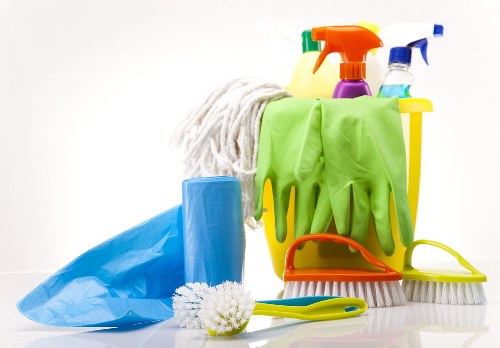
Domestic cleaning refers to the tasks involved in keeping a house or apartment clean, tidy, sanitary, and pleasant to live in. It covers the daily, weekly, and occasional work needed to maintain different areas of a home. This includes dusting, vacuuming, mopping, disinfecting surfaces, cleaning bathrooms, handling kitchen mess, and managing clutter.
Unlike commercial cleaning, domestic cleaning focuses on private living spaces and the habits that support comfort at home. The work may be simple, but it often needs consistency and attention to detail. A home that receives regular domestic cleaning usually feels calmer, looks brighter, and functions better for the people living in it.
Domestic cleaning also varies from house to house. A small apartment may need less time than a large family home, but the cleaning priorities can still be intense depending on pets, children, visitors, work schedules, and lifestyle patterns. That is why domestic cleaning should be flexible rather than rigid.
Why Domestic Cleaning Matters for Every Home

Keeping up with domestic cleaning is not just about appearance. It affects physical health, emotional wellbeing, and the long-term condition of your home. Dust, grease, mold, crumbs, and clutter can build up quickly when cleaning is delayed, making the home feel heavier and harder to manage.
A regular domestic cleaning routine can help reduce allergens, support better breathing conditions, and lower the chances of pests being attracted to food residue. Kitchens and bathrooms especially benefit from frequent attention because they are high-use areas where germs and moisture can spread more easily.
There is also a psychological benefit. A cleaner space often feels more relaxing and easier to enjoy. Many people notice that domestic cleaning improves focus, creates a sense of control, and makes it simpler to rest after a long day. A fresh home can influence how the whole household feels.
Core Areas Covered in Domestic Cleaning
Domestic cleaning usually follows a pattern based on the areas of the home that need the most frequent care. While every property is different, most homes benefit from cleaning attention in the following zones:
- Kitchen: counters, sinks, stovetops, floors, cupboard fronts, and appliance surfaces
- Bathroom: toilets, showers, sinks, mirrors, tiles, taps, and floors
- Bedrooms: dusting, vacuuming, bed-making, and surface cleaning
- Living areas: dust removal, upholstery care, floors, and clutter management
- Hallways and entry points: floors, doors, and high-touch surfaces
These spaces can collect dirt in different ways. Kitchens gather grease and food splashes, bathrooms develop soap residue and moisture, and living spaces collect dust and everyday clutter. A reliable domestic cleaning routine addresses each of these zones in a sensible order.
For many households, the best domestic cleaning approach combines routine upkeep with deeper cleaning at planned intervals. That balance helps keep visible mess under control while also tackling hidden buildup that regular tidying may miss.
Daily Habits That Support Domestic Cleaning
Not every cleaning task needs to be major or time-consuming. Small daily habits can make domestic cleaning much easier and prevent dirt from spreading. When these habits become part of the routine, the home stays cleaner with less effort overall.
Simple actions such as wiping kitchen counters after use, putting items back in place, emptying bins when full, and cleaning spills immediately can stop mess from becoming a bigger problem. These small tasks may seem minor, but they create a strong foundation for effective domestic cleaning.
Consistency matters more than perfection. A home does not need to look spotless every minute of the day. What matters is maintaining a pattern that keeps surfaces sanitary, floors manageable, and rooms functional. Even ten minutes of focus can make a visible difference.
Helpful daily habits
- Make the bed each morning
- Wash dishes or load the dishwasher after meals
- Wipe bathroom and kitchen surfaces as needed
- Do a quick evening tidy-up
- Shake out entry mats and sweep high-traffic areas
Weekly Domestic Cleaning Tasks That Keep Things Under Control
Weekly domestic cleaning usually handles the jobs that build up more gradually but still need regular attention. These are the tasks that help preserve a neat appearance and prevent deeper dirt from settling in.
Common weekly tasks include vacuuming carpets and rugs, mopping hard floors, cleaning bathrooms thoroughly, dusting furniture and shelves, changing bedding, and wiping down frequently touched surfaces. These tasks are often the backbone of domestic cleaning because they support hygiene and comfort throughout the home.
Many homeowners create a schedule that spreads these jobs across the week. That can make domestic cleaning feel more manageable than trying to do everything at once. For example, one day may be dedicated to bathrooms, another to floors, and another to dusting or laundry. A structured plan makes a cleaner home easier to maintain.
Sample weekly domestic cleaning routine
- Vacuum and mop the main living areas
- Disinfect bathrooms
- Dust surfaces and decorative items
- Clean kitchen appliances and sink areas
- Refresh bedding and laundry
Deep Cleaning and Why It Still Matters
Deep cleaning is an important part of domestic cleaning because it reaches places that routine cleaning may not cover. Over time, grime can gather under furniture, behind appliances, inside cabinets, around skirting boards, and in other overlooked spaces. Deep cleaning helps restore the home to a higher standard of cleanliness.
This type of domestic cleaning is especially useful before special occasions, after busy seasons, during spring cleaning periods, or when the home has simply not had enough attention. It can also be helpful after illness, after a renovation, or when moving in or out of a property.
Deep cleaning tasks may include descaling taps, cleaning inside ovens, washing baseboards, scrubbing tile grout, cleaning window tracks, and sanitizing hidden surfaces. Because these tasks take longer, many households prefer to schedule them monthly, seasonally, or with professional support.
Deep cleaning is often needed for
- Kitchen grease and appliance buildup
- Bathroom mold, soap scum, and limescale
- Dust in corners and behind furniture
- Areas affected by pets or children
- Rooms that have been unused for a while
How Professional Domestic Cleaning Services Can Help
Professional domestic cleaning services provide support for households that need regular help, occasional deep cleaning, or specialized care. Many people choose professional domestic cleaning because it saves time and reduces pressure. Others appreciate the skill, equipment, and consistency that trained cleaners can offer.
Professional cleaners often bring a structured method to the job. They know how to prioritize tasks, manage different surfaces safely, and clean efficiently without missing important details. This can be especially valuable in homes with busy schedules, larger floor plans, or specific hygiene concerns.
Another advantage of professional domestic cleaning is flexibility. Services can often be arranged weekly, fortnightly, monthly, or as a one-off visit depending on the needs of the household. That flexibility makes it easier to keep a home under control without taking on all the work alone.
What professional domestic cleaning may include
- General dusting and tidying
- Vacuuming and mopping
- Bathroom cleaning and disinfection
- Kitchen surface and sink cleaning
- Internal window and frame cleaning
- Optional deep cleaning tasks
Choosing the Right Domestic Cleaning Support
Selecting the right domestic cleaning support depends on your household priorities. Some people want help with everyday upkeep, while others need a more detailed service for specific areas. The best choice often depends on the size of the home, how many people live there, and how much cleaning time is available each week.
When comparing domestic cleaning options, it helps to think about reliability, consistency, flexibility, and attention to detail. A good service should be able to adapt to your home rather than forcing a one-size-fits-all routine. It should also understand the difference between regular cleaning and deeper maintenance work.
Look for a cleaning approach that matches your lifestyle. For some families, that means weekly help with kitchens and bathrooms. For others, it means monthly deep cleaning and occasional support for larger tasks. The right domestic cleaning plan should make life easier, not more complicated.
Questions to consider before choosing a service
- How often does the home need cleaning support?
- Which rooms need the most attention?
- Are there pets, children, or allergy concerns?
- Does the service offer flexibility for different needs?
- Can tasks be customized for the household?
Domestic Cleaning and Home Hygiene
Hygiene is one of the strongest reasons people prioritize domestic cleaning. Homes naturally collect bacteria, dust, skin cells, moisture, and food residue. Without a cleaning routine, these elements can affect comfort and increase the risk of unpleasant odors or unhealthy conditions.
Bathrooms and kitchens are usually the most important hygiene zones in domestic cleaning. Sinks, taps, handles, countertops, chopping surfaces, toilets, and shower areas should be cleaned regularly because they are used so often. Cleaning these areas carefully can help reduce buildup and support a more sanitary home.
Good domestic cleaning hygiene also includes proper cloth use, safe product application, and avoiding cross-contamination. For example, cleaning cloths used in the bathroom should not be used in food preparation areas. This simple habit makes a big difference in maintaining a safer household environment.
Key hygiene habits for homes
- Use separate cloths for different rooms
- Disinfect high-touch points often
- Ventilate bathrooms to reduce moisture
- Store food properly to avoid pests
- Clean spills before they dry and stain
Domestic Cleaning for Busy Families
Families often need a practical approach to domestic cleaning because the home is used constantly. Children, homework, meals, toys, shoes, pets, and work-from-home routines can make mess appear quickly. In these households, domestic cleaning has to be realistic, flexible, and easy to repeat.
One of the best ways to manage domestic cleaning in a busy home is to divide tasks by frequency and by room. Rather than expecting one big cleaning session to solve everything, families can focus on small repeated actions. Shared responsibility also helps, especially when children are old enough to handle age-appropriate tasks.
Family homes often benefit from support with laundry, floor care, kitchen reset routines, and regular bathroom cleaning. A cleaner home can also make mornings smoother and evenings calmer. When the home runs better, the whole household often runs better too.
Family-friendly domestic cleaning ideas
- Create a simple cleaning checklist
- Assign age-appropriate chores
- Keep storage practical and accessible
- Use baskets to manage toys and clutter
- Reset common spaces each evening
Domestic Cleaning for Apartments and Smaller Homes
Smaller homes still need consistent domestic cleaning, even if the total floor area is reduced. In apartments and compact properties, clutter and dirt can feel more noticeable because there is less space to absorb daily mess. That makes routine cleaning especially important.
In a smaller home, smart domestic cleaning is about efficiency. Multi-purpose cleaners, compact storage, and regular decluttering can make a major difference. Since each room is likely to serve multiple functions, it is useful to keep surfaces clear and cleaning supplies close at hand.
Smaller properties may also benefit from more frequent short sessions rather than occasional long ones. A quick clean of the kitchen, bathroom, and floors can keep the whole home feeling fresh without taking much time. This is one reason domestic cleaning works best when it is part of the normal rhythm of the household.
How to Make Domestic Cleaning More Efficient
Efficiency is one of the biggest goals in domestic cleaning. Most people do not want to spend unnecessary hours scrubbing every corner of the home. They want results that are noticeable, reliable, and sustainable. With the right methods, domestic cleaning can be faster and less tiring.
Efficiency begins with preparation. Gathering supplies in advance, following a clear order, and cleaning from top to bottom can save time and reduce repeat work. It also helps to use tools that fit the job, such as microfiber cloths, vacuum attachments, scrub brushes, and sprays that suit different surfaces.
Work smarter, not harder. That idea applies strongly to domestic cleaning. By combining routine habits, smart tools, and practical scheduling, you can keep your home in good condition without feeling overwhelmed.
Time-saving domestic cleaning tips
- Keep supplies in a portable caddy
- Clean room by room instead of jumping around
- Start with the highest surfaces and finish with the floors
- Use timers to stay focused
- Declutter before deep cleaning
The Long-Term Value of Domestic Cleaning
Domestic cleaning offers long-term value in ways that go beyond immediate appearance. A cleaner home typically experiences less buildup, fewer maintenance problems, and more manageable routines over time. Dust and grime that are removed regularly are less likely to cause stains, damage, or unpleasant odors.
Good domestic cleaning can also protect the investment you have made in your home. Floors, tiles, counters, appliances, and furnishings all benefit from regular care. When these items are cleaned properly and consistently, they often last longer and continue looking better for years.
There is also a lifestyle benefit. A cleaner home supports healthier routines, better organization, and a more pleasant atmosphere for everyone inside it. That is why domestic cleaning is not just a chore; it is an essential part of home care and quality of life.
Creating a Domestic Cleaning Routine That Works
The best domestic cleaning routine is the one you can actually maintain. It should fit your work schedule, family commitments, and energy levels. A routine that is too ambitious may collapse quickly, while one that is too minimal may fail to keep up with the home’s needs.
A balanced domestic cleaning plan usually combines small daily actions, weekly tasks, and occasional deep cleaning. This approach keeps the home consistently presentable while also preventing hidden buildup. If needed, professional domestic cleaning can fill in the gaps and make the plan more sustainable.
To create a routine that works, start by identifying the most important spaces in your home and the tasks that affect comfort the most. Then assign those tasks to realistic time slots. The key is regular progress, not perfection.
Simple routine structure
- Daily: wipe, tidy, and reset high-use areas
- Weekly: vacuum, mop, and clean bathrooms and kitchen surfaces
- Monthly: handle deeper tasks and less visible areas
- Seasonally: reassess storage, textiles, windows, and hidden buildup
Final Thoughts on Domestic Cleaning
Domestic cleaning is one of the most important parts of maintaining a healthy, comfortable, and functional home. Whether you manage it yourself or choose professional support, consistent domestic cleaning can improve daily life in meaningful ways. It helps control dirt, supports hygiene, reduces stress, and makes your living space feel more welcoming.
By focusing on the right rooms, building useful habits, and choosing the level of support that matches your home, domestic cleaning becomes far more manageable. The result is a space that works better for your routine and feels better every time you walk through the door.
If you are ready to improve the comfort and cleanliness of your home, book your service now or contact us today to explore the domestic cleaning option that suits your needs.