Deep Cleaning: A Fresh, Healthier Approach to a Spotless Space
Deep cleaning is more than a quick tidy-up or a surface-level wipe-down. It is the process that helps reset a home, office, or rental property by removing built-up dirt, dust, grease, grime, and hidden debris that routine cleaning often misses. Whether you are preparing for a special event, moving into a new place, recovering from a busy season, or simply wanting a healthier environment, deep cleaning can make a remarkable difference.
Many people search for deep cleaning when their space starts to feel dull, cluttered, or less comfortable. That is because deep cleaning reaches the overlooked areas: behind appliances, inside cabinets, around vents, under furniture, and across high-touch surfaces that collect bacteria over time. It is both a practical and restorative task, helping spaces look better and feel better.
In this article, we will look at what deep cleaning involves, why it matters, how it differs from routine cleaning, what rooms and surfaces deserve special attention, and how to plan a deep cleaning schedule that actually works. You will also find tips for homes, rentals, offices, and seasonal cleanups, along with smart ways to keep your space fresh for longer.
What Is Deep Cleaning?

Deep cleaning is a thorough cleaning process designed to remove dirt and buildup from areas that are not usually addressed during regular housekeeping. While standard cleaning focuses on visible surfaces and daily messes, deep cleaning targets hidden corners, stubborn stains, and neglected spaces. It often includes scrubbing, disinfecting, de-scaling, polishing, and detailed attention to small but important areas.
For many households and businesses, deep cleaning is the reset button that helps restore order. It goes far beyond dusting a shelf or vacuuming the floor. Instead, it may involve washing baseboards, cleaning inside ovens, wiping cabinet faces, removing soap scum, sanitizing switches, and detailing fixtures. A proper deep cleaning can leave a room feeling brighter, fresher, and more organized.
Deep cleaning matters because cleanliness affects comfort, appearance, and hygiene. A space may look clean at a glance but still contain allergens, odors, grease, and germs. Over time, these elements can accumulate and make the environment less pleasant and less healthy.
Why Deep Cleaning Matters for Homes and Workspaces
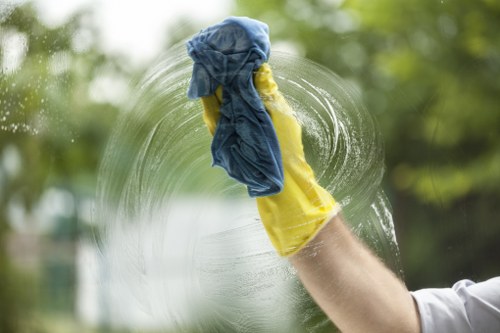
There are many reasons people choose deep cleaning. One of the biggest is health. Dust, pet dander, pollen, mold spots, and bacteria can collect in places that are not cleaned often. Deep cleaning helps reduce these irritants, which can be especially beneficial for children, older adults, allergy sufferers, and anyone with respiratory sensitivities.
Another major benefit is upkeep. Regular deep cleaning can protect surfaces and appliances from premature wear. Grease on kitchen cabinets, soap scum on shower doors, and grime around bathroom fixtures can become more difficult to remove if left too long. By addressing these issues early, you can preserve the condition of your property and avoid costly repairs or replacements.
Deep cleaning also improves mood and productivity. People often feel calmer and more focused in a tidy, organized environment. A freshly deep cleaned room can instantly feel more welcoming. In business settings, that can support professional image and employee morale, while in homes it can create a sense of peace and control.
Deep Cleaning vs Regular Cleaning
Although the terms are sometimes used interchangeably, deep cleaning and regular cleaning are not the same. Regular cleaning is the routine maintenance that keeps a space presentable on a daily or weekly basis. Deep cleaning is the more detailed, labor-intensive process that reaches areas routine tasks often miss.
Here is a simple way to think about it:
- Regular cleaning: sweeping, vacuuming, wiping counters, taking out trash, light bathroom cleaning, and surface dusting.
- Deep cleaning: scrubbing grout, washing walls, cleaning behind furniture, sanitizing high-touch areas, and tackling built-up residue.
- Regular cleaning: helps maintain appearance.
- Deep cleaning: restores freshness and addresses hidden dirt.
Both are important, but deep cleaning delivers the kind of detailed attention that transforms a room from simply “clean enough” to noticeably refreshed. Many people schedule deep cleaning seasonally or before major events, while regular cleaning remains part of the weekly rhythm.
When Deep Cleaning Is Most Useful
There are several times when deep cleaning becomes especially valuable. These moments often include moving in or out of a property, preparing for guests, recovering after a renovation, or getting ready for a new season. It is also useful when a room starts to feel sticky, dusty, or dull despite normal cleaning efforts.
Key Areas That Need Deep Cleaning
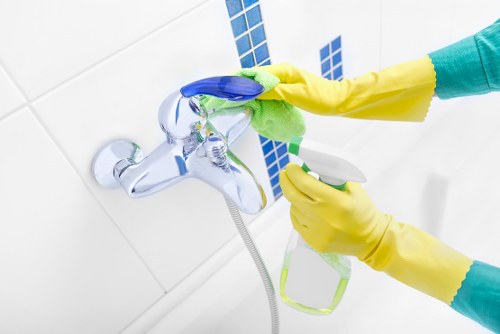
Deep cleaning is most effective when you focus on the places that accumulate buildup over time. These areas may not be visible during a quick clean, but they have a big impact on overall freshness and hygiene. Below are some of the most important places to include in any deep cleaning plan.
Kitchen
The kitchen is one of the busiest spaces in any home, which means it often needs the most attention. Grease, food residue, fingerprints, crumbs, and spills can build up quickly. A proper deep cleaning should cover the oven, stovetop, backsplash, sink, cabinet doors, refrigerator shelves, trash area, and under appliances if possible.
- Degrease range hoods and vent covers
- Clean inside microwave, oven, and refrigerator
- Wash cabinet fronts and handles
- Scrub sinks and faucet bases
- Sanitize counters and small appliance surfaces
Bathroom
Bathrooms need deep cleaning because moisture, soap scum, toothpaste residue, and hard water stains can accumulate fast. A deep cleaning routine should focus on tile, grout, shower doors, toilets, sinks, mirrors, and hidden corners around fixtures. This is also where sanitizing is especially important.
Bathroom Deep Cleaning Priorities
- Remove limescale from taps and showerheads
- Scrub grout lines and tile edges
- Disinfect toilet bases and seat hinges
- Polish mirrors and glass surfaces
- Clear drains and clean around sink overflow areas
Living Areas, Bedrooms, and Hidden Spaces

Living rooms and bedrooms often appear clean on the surface, but they can harbor dust and debris in less obvious places. Deep cleaning these spaces involves more than vacuuming rugs or making beds. It means paying attention to furniture bases, under cushions, behind dressers, and along trim and vents.
For upholstered furniture, careful vacuuming and spot treatment can help remove dust and stains. Curtains, blinds, ceiling fans, and light fixtures should also be included because they collect airborne particles over time. Even small details can significantly change how a room looks and feels.
Hidden and Overlooked Areas
Some of the most important deep cleaning tasks happen in places people rarely think about. These hidden areas can create odors, trap dust, and reduce the overall cleanliness of a space. Do not overlook these spots:
- Behind and under beds, sofas, and storage units
- Baseboards, door frames, and window tracks
- Light switches, door handles, and remote controls
- Air vents, ceiling fan blades, and return grilles
- Closet shelves, corners, and top cabinet surfaces
When these spaces are cleaned properly, the whole room feels lighter and more open.
How to Plan an Effective Deep Cleaning Routine

A successful deep cleaning routine does not have to feel overwhelming. The key is to plan the process in clear steps and work room by room. Trying to clean everything at once can be exhausting, but a structured approach makes the task far more manageable.
Start by gathering supplies such as microfiber cloths, a mop, vacuum, scrub brushes, disinfectant, glass cleaner, sponges, and appropriate surface-safe products. Then decide whether you will deep clean the entire property in one day or split the work across several sessions. Many people find it easier to tackle one room per day or one zone per weekend.
Simple Deep Cleaning Order
- Declutter the area first.
- Dust from top to bottom.
- Clean walls, fixtures, and surfaces.
- Scrub bathrooms and kitchens.
- Vacuum, sweep, and mop floors last.
This order works because dirt naturally falls downward, so cleaning top surfaces first prevents rework. It also helps you stay organized and efficient, especially in larger homes or office spaces.
Tip for Better Results
Always read product labels and use the right cleaner for each surface. Strong chemicals are not always necessary, and using the wrong product can damage delicate finishes. A careful approach is one of the smartest parts of deep cleaning.
Deep Cleaning for Different Types of Spaces
Deep cleaning can be tailored to fit different environments. A home, apartment, rental property, office, or commercial space may all require a slightly different focus. The basic principle remains the same: remove buildup, sanitize high-use surfaces, and restore a polished appearance.
Home Deep Cleaning
For homes, the goal is often comfort, hygiene, and a reset for busy family life. Home deep cleaning usually includes kitchens, bathrooms, bedrooms, living areas, laundry spaces, and entryways. Families with pets or children may need to schedule it more often because dirt and mess can accumulate quickly.
Rental and Move-In/Move-Out Deep Cleaning
Rental properties benefit greatly from deep cleaning between occupants. It helps eliminate traces of previous use and creates a welcoming impression for the next resident. Move-in and move-out deep cleaning usually includes appliances, closets, cabinets, floors, windows, and detailed bathroom sanitation.
Office and Workspace Deep Cleaning
Offices require deep cleaning to support professionalism and reduce germ spread. Desks, shared equipment, break rooms, conference areas, and restrooms should be included. In high-traffic workplaces, deep cleaning can help improve air quality and maintain a more polished environment.
Benefits of Professional Deep Cleaning Services
While many tasks can be handled independently, professional deep cleaning services can save time and produce more detailed results. Trained cleaners often use specialized tools and techniques that remove stubborn buildup more efficiently. This can be especially useful for large spaces, post-renovation cleanup, or situations involving heavy grime.
Professional deep cleaning also brings consistency. A skilled team knows how to follow a detailed process and address areas that are easy to miss. For busy households or business owners, that level of support can be worth the investment. It is not just about convenience; it is about getting a higher standard of clean.
People often choose professional deep cleaning when they want better results in less time. It is also a smart option when mobility, scheduling, or the scale of the task makes DIY cleaning difficult. In many cases, professional services can restore a space faster than expected.
When comparing options, look for attention to detail, clear scope of work, and a process that matches your needs. Book your service now if you want a fresh start without the stress of handling everything yourself.
How Often Should Deep Cleaning Be Done?
The ideal frequency for deep cleaning depends on the size of the space, how much traffic it gets, and how quickly dirt tends to build up. Some areas need attention monthly, while others may only need deep cleaning every season or twice a year.
- High-traffic homes: every 1 to 3 months
- Average households: every 3 to 6 months
- Office spaces: monthly or quarterly
- Move-in/move-out situations: as needed between occupancy
A seasonal schedule is popular because it creates a routine that is easy to remember. Spring, summer, fall, and winter each bring different challenges, from pollen to mud to closed-window dust buildup. Deep cleaning at regular intervals helps prevent long-term accumulation.
If you wait too long, the job becomes harder. Staying on schedule is one of the best ways to keep your environment looking and feeling its best.
Deep Cleaning Tips That Save Time and Effort
Deep cleaning can be productive and less tiring when you use the right strategies. Small improvements in your process can make a big difference in the final result. The following tips can help you work smarter and stay motivated.
Useful Deep Cleaning Tips
- Work room by room to avoid feeling scattered.
- Use a caddy or bucket to carry supplies easily.
- Open windows when safe to improve airflow.
- Let cleaners sit on tough stains before scrubbing.
- Start with the messiest area first for momentum.
- Set a timer to maintain steady progress.
Another useful approach is to divide tasks into sections. For example, you might deep clean the kitchen on one day and the bathrooms on another. This can help you avoid burnout while still making steady progress. Consistency matters more than rushing through the work.
Also, remember that deep cleaning is not only about visible results. It is about improving how a place functions and feels over time. A room that has been carefully cleaned is easier to maintain and usually more pleasant to use.
Common Mistakes to Avoid During Deep Cleaning
Even with the best intentions, it is easy to make mistakes during deep cleaning. Avoiding these common issues can improve both efficiency and results.
- Skipping preparation and jumping in without a plan
- Using too much product or the wrong cleaner
- Cleaning floors before dusting higher surfaces
- Ignoring vents, corners, and hidden buildup
- Rushing through important detail work
Another mistake is not giving certain products enough time to work. Some cleaners need a few minutes to break down grease or soap scum before wiping. Be patient and follow the directions on the label when necessary.
Finally, do not treat deep cleaning as a once-in-a-while emergency only. When used as part of a normal routine, it becomes easier, faster, and much more effective. That is the real value of maintaining a clean and organized space.
Why Detail Matters
Deep cleaning is successful when small details are handled well. The difference between a standard clean and a polished clean often comes down to overlooked edges, hidden residue, and consistent effort.
Making Deep Cleaning Part of a Healthy Lifestyle
Deep cleaning supports a healthier lifestyle in ways that go beyond appearance. A fresh space can reduce stress, improve indoor comfort, and support better daily habits. When your environment is clean and organized, it becomes easier to cook, sleep, work, relax, and welcome guests with confidence.
Many people find that deep cleaning motivates them to declutter, organize storage, and rethink how they use space. This can lead to more efficient routines and a stronger sense of control. A clean environment often creates a clearer mindset.
If you want long-term benefits, combine deep cleaning with simple maintenance habits such as wiping spills quickly, dusting regularly, and keeping clutter under control. That way, each deep cleaning session builds on the last instead of starting from scratch every time.
Deep cleaning can also be a great seasonal reset. It gives you a chance to refresh your surroundings and prepare for new routines, holidays, work cycles, or family changes. Book your service now if you are ready to enjoy a cleaner, healthier, and more comfortable space.
Final Thought
Deep cleaning is one of the most effective ways to improve any environment. It boosts appearance, supports hygiene, and helps spaces feel more inviting. Whether you do it yourself or hire professionals, making deep cleaning a regular priority can deliver lasting benefits for homes, offices, and rental properties alike.