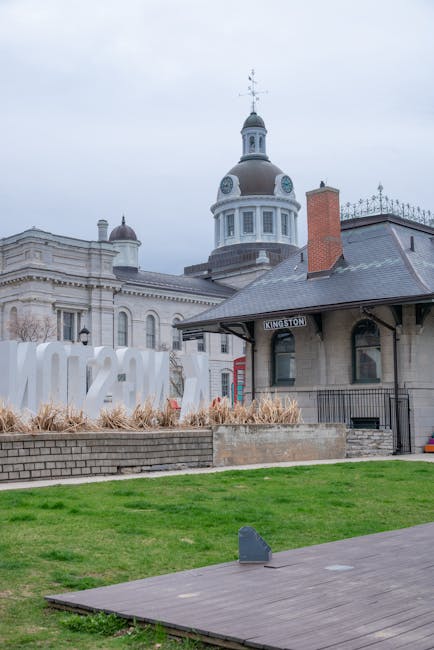
Licences and permits for commercial cleaners in Kingston council
If you are setting up, growing, or reviewing a cleaning business in Kingston, one of the first questions is usually a practical one: what licences and permits do commercial cleaners in Kingston council actually need? It sounds simple, but the answer depends on the type of cleaning you do, how waste is handled, whether you work at height, what chemicals you use, and even how you operate your vehicle. Get the basics wrong and you can end up wasting time, missing a compliance step, or creating a headache that could have been avoided. To be fair, nobody starts a cleaning business because they love paperwork. But a clear compliance plan does make the business feel steadier, more professional, and easier to scale.
This guide breaks down the essentials in plain English. You will see what usually applies, what may be needed in special situations, how to check your obligations sensibly, and what best practice looks like in real life. It is written for commercial cleaners, office cleaning teams, specialist contractors, and anyone providing cleaning services in and around Kingston council.
Table of Contents
- Why licences and permits matter
- How the process usually works
- Key benefits and practical advantages
- Who needs this and when it makes sense
- Step-by-step guidance
- Expert tips for better results
- Common mistakes to avoid
- Tools, resources and recommendations
- Law, compliance, standards, and best practice
- Options, methods, and comparison table
- Case study or real-world example
- Practical checklist
- Conclusion
- Frequently asked questions
Why Licences and permits for commercial cleaners in Kingston council Matters
Most commercial cleaning businesses do not need a dramatic stack of special licences just because they clean offices, shops, schools, communal areas, or rental properties. But that does not mean compliance is optional. In practice, the "licences and permits" side of cleaning work is about making sure you are legally allowed to trade, safely allowed to work, and properly set up for the kind of jobs you accept.
That matters for three big reasons. First, clients increasingly ask for proof of insurance, safety controls, and responsible business practices. Second, some cleaning tasks carry extra requirements, especially if you handle waste, use ladders, transport chemicals, or subcontract work. Third, Kingston council can expect businesses operating locally to follow the usual UK rules around business registration, waste disposal, environmental care, and workplace safety.
Put simply, compliance is not just a box-ticking exercise. It is part of the service. A cleaner who can explain their permits, insurance, and procedures calmly will usually look more trustworthy than one who just says "we've never had a problem." Let's face it, that answer rarely reassures anyone for long.
Expert summary: For most commercial cleaning operations, the core task is not finding a single "cleaning licence" but making sure the business is legally registered, insured, safe, and compliant with any extra requirements created by waste, access, or specialist work.
How Licences and permits for commercial cleaners in Kingston council Works
The process is usually less about one central permit and more about assembling the right compliance pieces for your business model. A small office-cleaning firm and a contractor doing after-builders cleaning at active sites will not need exactly the same setup. Nor should they.
1. Start with your business status
Are you a sole trader, limited company, or partnership? This affects how you register for tax and how you structure contracts. It does not sound exciting, but it is one of the first things that needs to be right. If you operate commercially, you should have your business registered correctly before trading for clients in Kingston.
2. Check whether the work itself creates extra obligations
Routine office cleaning is usually straightforward. Specialist services can bring extra considerations. For example:
- after builders cleaning may involve dust suppression and debris handling
- window cleaning can require safe working at height planning
- carpet or upholstery cleaning may involve chemicals, machines, and water management
- communal area cleaning often involves access arrangements and site rules
- end of tenancy cleaning may involve waste disposal and property-specific requirements
The work itself can trigger procedures, even if it does not trigger a formal "licence" in the everyday sense.
3. Make sure insurance and safety cover the services you offer
For commercial cleaners, public liability insurance is usually expected by clients, and employers' liability insurance is required if you employ staff. Good operators also build a health and safety policy, method statements, risk assessments, and site-specific checks into the job. If you want a sense of how a professional cleaning business should think about risk, the company's insurance and safety guidance is a useful example of the kind of information clients tend to look for.
4. Confirm waste handling and environmental responsibilities
Cleaning often creates waste: packaging, used cloths, disposable PPE, dirty water, or general rubbish collected from sites. Some jobs are simple, while others need careful sorting and disposal. If your team takes waste away from a client site, even occasionally, you should understand the rules that apply to your collection, transport, and disposal arrangements.
5. Review any location-specific site permissions
Working in Kingston council does not normally mean a special cleaning permit is needed just to enter a building and clean it. However, the property owner, managing agent, landlord, or site manager may require paperwork before you start. That can include proof of insurance, RAMS, contractor induction records, or access permissions. In real life, this is often what trips people up, not a formal licence.
Key Benefits and Practical Advantages
Getting your licences, permits, and compliance basics sorted has direct commercial value. It is not just administrative tidiness.
- More trust from clients: Businesses want cleaners who look organised and accountable.
- Smoother contract approvals: Many offices, landlords, and facilities teams will ask for documents before work starts.
- Lower risk of disruption: You are less likely to be pulled off-site because of a missing document or unsafe process.
- Better pricing confidence: A well-run business can quote more accurately because it understands its operating costs.
- Stronger reputation: Professionalism shows in the details, and yes, clients notice the details.
There is another advantage people overlook. Once your compliance structure is in place, it becomes much easier to expand into related services. A company offering commercial cleaning can more confidently add regular contracts, one-off deep cleans, or specialist jobs when the paperwork and operating controls are already there.
That steadiness matters on a wet Tuesday morning when the work van is packed, the building manager is waiting at reception, and everyone just wants the job done properly. Compliance removes a lot of noise from those moments.
Who This Is For and When It Makes Sense
This topic is relevant if you are:
- starting a commercial cleaning company in Kingston
- moving from domestic cleaning into B2B contracts
- offering office, retail, communal, or site cleaning
- taking on subcontracted work for facilities teams
- adding specialist services such as window cleaning, carpet cleaning, or after-builders cleaning
- reviewing whether your current set-up is still compliant
It also makes sense if you are buying cleaning services and want to know what to ask for. A client who understands the difference between a trade registration, an insurance certificate, and a site permit tends to make better decisions. And better decisions save time later. Simple as that.
If your work is mostly recurring, like regular cleaning for offices or shared buildings, you will usually benefit most from strong internal systems rather than a long list of public licences. If your business leans into more complex jobs such as after builders cleaning or high-access window work, the compliance picture becomes more detailed and a lot more important.
Step-by-Step Guidance
Here is a practical way to approach licences and permits without getting bogged down.
- Identify your exact services. Write down everything you do now, not just the jobs you hope to win later.
- Confirm your business registration. Make sure you are trading under the correct business structure and tax setup.
- Check insurance requirements. Public liability is usually essential, and employers' liability applies if you hire staff.
- Assess your working methods. Think about ladders, chemicals, machinery, water, waste, lone working, and vehicle use.
- Review site rules. Client buildings may require induction, access passes, DBS checks for some environments, or contractor paperwork.
- Prepare core documents. Keep risk assessments, method statements, training records, and insurance documents ready to share.
- Build waste procedures. Decide who removes waste, where it goes, and how disposal is recorded where needed.
- Recheck when services change. If you add specialist cleaning, revisit your compliance set-up before you sell it heavily.
A quick example: a cleaning business starts with office cleaning only. Six months later, a property manager asks them to handle communal area cleaning across several blocks. The job seems similar on paper, but access arrangements, resident safety, and site-specific expectations suddenly matter much more. The paperwork grows. That is normal. Better to expect it than be surprised by it.
Expert Tips for Better Results
There are a few habits that separate organised cleaning businesses from the ones that feel a bit improvised.
Keep a compliance pack ready
Have digital copies of insurance certificates, business registration details, health and safety documentation, and key policies ready to send. This is one of those boring-but-brilliant habits. Clients love it because it makes onboarding quicker.
Separate routine cleaning from specialist work
Do not assume every job follows the same rules. A window cleaning contract may involve height and access considerations that your standard office clean does not. A carpet clean in a ground-floor office is not the same thing as a restoration job after a flood. Obvious, maybe, but people still mix them up.
Write methods as if a new team member will read them
If your procedure only makes sense to the person who wrote it, it is not much of a procedure. Keep instructions short, visual where possible, and realistic for on-site use.
Plan for the client's perception
Yes, legal compliance matters. But presentation matters too. A clean uniform, labelled equipment, and tidy paperwork can do a lot of quiet work for you before you even start cleaning.
Build sustainability into the service
Kingston clients increasingly notice recycling, low-waste habits, and responsible product use. If you are already thinking about environmental practice, the business's recycling and sustainability approach is a sensible model for the kind of standards modern clients expect.
One small thing, but it helps: review your procedures after a job that went slightly sideways. Not to overreact. Just enough to improve. That habit saves a lot of awkwardness later.
Common Mistakes to Avoid
Most compliance problems are avoidable, which is the annoying part, really. They often come from haste rather than bad intent.
- Assuming there is a single cleaning licence: There usually is not. The reality is broader and more practical than that.
- Ignoring insurance gaps: A policy that works for domestic cleaning may not fully suit commercial or specialist work.
- Forgetting site-specific requirements: Client premises can have their own rules, and they may be stricter than your own default process.
- Not documenting risk controls: If something goes wrong, a verbal explanation is weaker than written records.
- Mixing waste with no system: Waste handling is one of the easiest places to slip up.
- Adding services without review: Expanding into floor care, window cleaning, or after-builders work without checking the implications can create avoidable risk.
Another common issue is trying to look more established by claiming more than you can evidence. Not a great move. A better approach is simple: say what you do, show your documents, and keep your process honest. That wins more trust than grand claims ever will.
Tools, Resources and Recommendations
You do not need an elaborate system to stay compliant, but you do need a reliable one.
Useful internal documents to maintain
- business registration records
- insurance certificates
- health and safety policy
- risk assessments
- method statements
- employee training records
- incident log
- waste disposal notes where relevant
- client site instructions
Operational tools that help
- a secure cloud folder for policies and certificates
- digital job sheets with site notes
- vehicle checklists for equipment and materials
- simple stock tracking for chemicals and consumables
- handover notes for recurring sites
If you are refining your service offering, it can also help to review the practical page structure of a good cleaning website. For instance, service pages such as office cleaning, deep cleaning, and carpet cleaning show how different cleaning jobs can be positioned clearly for clients without making the business feel scattered.
That kind of clarity helps users and search engines, but more importantly, it helps the business itself think clearly. What do we actually do, what do we need, and what are we not offering? Clean answers, clean operations.
Law, Compliance, Standards, or Best Practice
For commercial cleaners in Kingston, the practical compliance picture usually sits across several areas rather than one local council permit.
- Business registration and tax: Your trading structure must be set up properly.
- Insurance: Appropriate cover should match the work you do and the clients you serve.
- Health and safety: You need suitable risk management, safe systems of work, and staff training where relevant.
- Chemical safety: Cleaning products should be used and stored correctly, with clear instructions for staff.
- Waste handling: Waste created during cleaning must be managed lawfully and responsibly.
- Employment duties: If you employ cleaners, additional obligations apply around workplace safety and insurance.
- Contractor access rules: Many commercial buildings require their own compliance checks before allowing work onsite.
Best practice is to treat compliance as a living system. Not something you did once in the first week and forgot about. Update it when you add a new van, new staff, new chemicals, a new type of building, or a new service line. That is where many businesses quietly fall behind.
If you ever need to align your operations with a published company standard, a page like health and safety policy is the kind of thing that signals seriousness to commercial clients. It is plain, practical, and much more useful than a vague promise to "work safely."
Options, Methods, and Comparison Table
One of the easiest ways to understand this topic is to compare the common compliance needs by service type. The table below is not a legal verdict; it is a practical way to think about relative complexity.
| Cleaning activity | Typical compliance focus | What usually matters most |
|---|---|---|
| Routine office cleaning | Business setup, insurance, site access | Reliable procedures, client paperwork, safe chemical use |
| Communal area cleaning | Access rules, resident safety, scheduling | Clear handover notes and predictable service times |
| Window cleaning | Working at height, equipment checks | Safe access, suitable training, careful method statements |
| Carpet and upholstery cleaning | Equipment, chemicals, drying times | Property protection and realistic aftercare instructions |
| After builders cleaning | Dust, waste, site coordination | Safety controls, sequencing, and a clear scope of work |
The main point is not that one service is "hard" and another is "easy." It is that the compliance burden changes with the job. A simple recurring office contract might need very little extra beyond standard business readiness. A specialist site clean can need more planning, more documentation, and more patience. And a bit more coffee, if we are honest.
Case Study or Real-World Example
Imagine a small Kingston-based cleaning business that begins with domestic work and a few local offices. At first, the owner keeps everything informal: a notebook for jobs, invoices in email, one insurance policy, and a basic van. It works, mostly. But then a property management client asks for commercial contracts across several buildings.
Suddenly the questions start coming in. Do you have public liability insurance? Can you show your safety policy? How do you handle waste? Who is responsible for access? Can you provide documentation before site induction?
Nothing dramatic has happened. Nobody is in trouble. But the business has moved into a more structured world. The owner spends a weekend putting together a proper document pack, tightening the waste process, and reviewing whether every service they sell still fits the same policy set. They also separate jobs like one-off cleaning and more routine contracts so pricing and staffing are clearer.
The result is not glamorous. No ribbon-cutting, no confetti. But bids move faster, the client sounds more confident, and the business stops scrambling whenever someone asks for evidence. That is the real win.
Practical Checklist
Use this checklist before taking on commercial cleaning work in Kingston council.
- Confirm your business is properly registered for trading
- Check that your insurance matches your actual services
- Prepare a current health and safety policy
- Write or update risk assessments for each service type
- Keep method statements for higher-risk work
- Check access requirements for every site
- Review waste handling and disposal processes
- Train staff on chemicals, equipment, and emergency steps
- Store key documents where they can be shared quickly
- Review your service list before adding specialist work
- Make sure contracts and terms are clear
- Revisit compliance after any major operational change
Do those things well and a lot of the awkwardness disappears. Not all of it, but enough to make the business feel properly under control.
Conclusion
Licences and permits for commercial cleaners in Kingston council are best understood as a wider compliance picture rather than a single form or badge. For most businesses, the real priorities are proper registration, appropriate insurance, sensible safety controls, and the right permissions or paperwork for each site and service. Once those are in place, you are in a far stronger position to win contracts, protect your team, and present your business as dependable.
There is no need to make it more complicated than it is. Start with the essentials, check the details for the services you actually offer, and keep your documents current. That approach is steady, practical, and much easier to maintain than trying to patch things up after a client asks awkward questions. And they will ask, eventually.
Get a free quote today and see how much you can save.
For a company that values clarity, trust, and straightforward service, it also helps to understand the people behind the business. You can learn more on the about us page and review the way jobs are handled through the published terms and conditions. Small details, but they matter.
Frequently Asked Questions
Do commercial cleaners in Kingston council need a special licence to operate?
Usually, there is no single special "cleaning licence" for routine commercial cleaning. Most businesses need the proper business registration, insurance, safety documentation, and any extra permissions required by the site or the type of work being done.
Do I need council permission to clean office buildings in Kingston?
In most cases, no separate council permission is needed just to provide cleaning services. However, the property owner, managing agent, or building operator may require contractor paperwork, insurance evidence, or site induction before you start.
What permits might be needed for specialist cleaning work?
It depends on the job. Working at height, removing waste, using specialist chemicals, or operating on sensitive sites can create extra obligations. The "permit" may be a site access permit, a working-at-height authorisation, or a client-specific approval process rather than a public council permit.
Do I need public liability insurance as a commercial cleaner?
Yes, in practice it is usually expected by clients and is one of the most important protections for a cleaning business. If you employ staff, employers' liability insurance is also required.
What documents should I keep ready for clients?
Keep your insurance certificates, health and safety policy, risk assessments, method statements, business details, and any relevant training records ready to share. That makes onboarding much smoother.
Are there extra rules for window cleaning?
Window cleaning can involve working at height or using specialist access equipment, so safe systems of work are especially important. The level of control needed depends on the building, the access method, and the scope of the job.
Does waste from cleaning jobs need special handling?
Sometimes, yes. General waste, packaging, dirty materials, and waste removed from client sites should be handled responsibly and in line with the relevant rules. If you transport waste, you should understand exactly what is expected of you.
Is a health and safety policy really necessary for a small cleaning business?
Yes. Even small businesses benefit from having a clear policy. It helps show clients that you work responsibly and gives your team a consistent approach on site.
What is the biggest mistake cleaning businesses make with compliance?
The most common mistake is assuming the same setup works for every service. A domestic-style approach is not always enough for commercial contracts, specialist cleans, or sites with access restrictions.
How often should I review licences, permits, and compliance documents?
Review them whenever you change services, add staff, buy new equipment, or start working with a different type of client. Even without major changes, a periodic review is a smart habit.
Can I start commercial cleaning before everything is perfect?
You can start once the essentials are in place, but do not leave key items half done. Insurance, business registration, and basic safety controls should be ready before you take paid work. The rest can be tightened as the business grows.
Where can I see examples of service pages that reflect a professional cleaning setup?
Looking at clearly defined service pages such as office cleaning, deep cleaning, and window cleaning can help you think about how your own services should be organised and explained. It is a useful reality check.