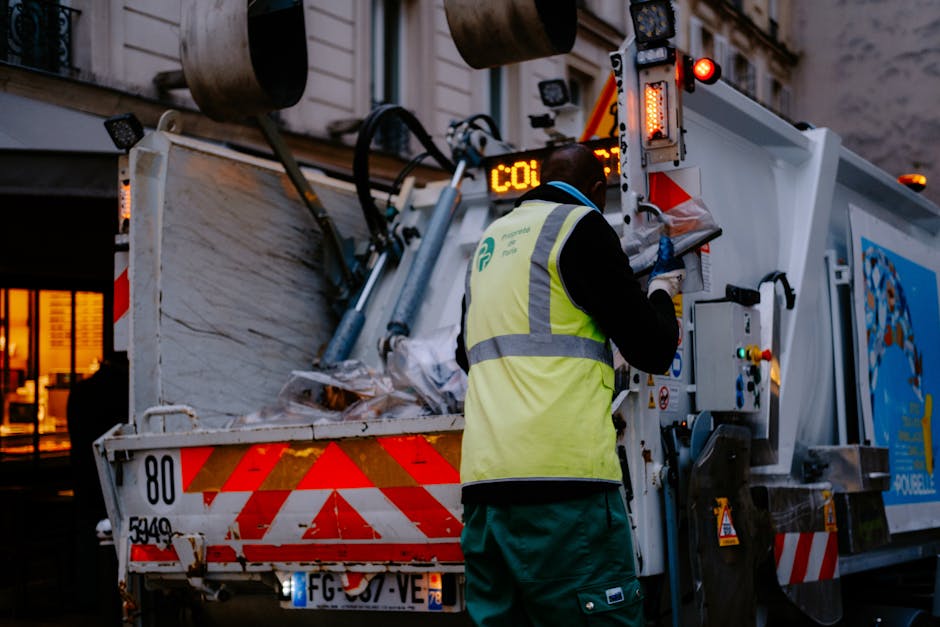
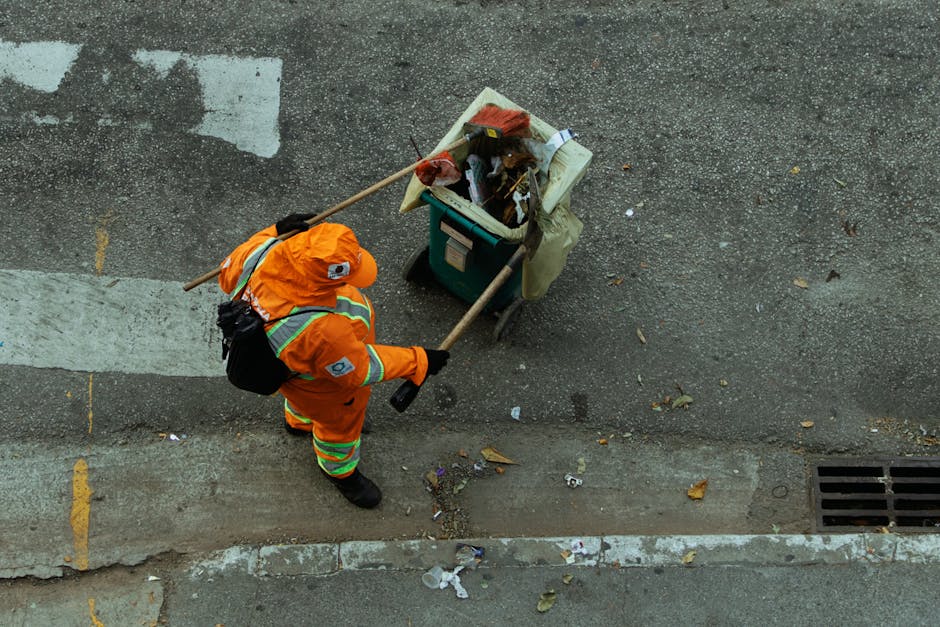
Legal limits for waste removal by Kingston cleaners and fines: what you need to know before the bags go out
If you are arranging a clean and there is rubbish, old packaging, or bulky waste left behind, the legal limits for waste removal by Kingston cleaners and fines can matter a lot more than people expect. One innocent-looking pile in the hallway can turn into a complaint, a missed collection, or even a penalty if waste is handled badly. To be fair, most people only find this out after the job is already underway.
This guide explains what cleaners can and cannot remove, why the rules exist, how fines can arise, and how to keep everything simple, safe, and compliant. It is written for homeowners, landlords, tenants, facilities managers, and anyone booking a professional clean in Kingston who wants to avoid awkward surprises. You will also find a practical checklist, a comparison table, and a few real-world examples that make the rules easier to apply in everyday life.
Table of Contents
- Why Legal limits for waste removal by Kingston cleaners and fines Matters
- How Legal limits for waste removal by Kingston cleaners and fines Works
- Key Benefits and Practical Advantages
- Who This Is For and When It Makes Sense
- Step-by-Step Guidance
- Expert Tips for Better Results
- Common Mistakes to Avoid
- Tools, Resources and Recommendations
- Law, Compliance, Standards, or Best Practice
- Options, Methods, or Comparison Table
- Case Study or Real-World Example
- Practical Checklist
- Conclusion
- Frequently Asked Questions
Why Legal limits for waste removal by Kingston cleaners and fines Matters
Waste removal sounds straightforward until you put it into practice. A cleaner may be there to restore a property, but that does not automatically mean they can remove every item left behind. The legal side matters because waste has to be handled according to household, commercial, and controlled-disposal rules, and some materials need specialist treatment.
In a typical Kingston home, the waste from a clean may include food packaging, broken ornaments, dust bags, old cleaning cloths, cardboard, and a few forgotten bits from a cupboard. That is usually manageable. But things get trickier when the waste includes paint tins, electricals, needles, sharp items, liquid chemicals, damaged furniture, or construction debris. Those are the moments when the law, not just the cleaning schedule, starts to matter.
Why does this matter so much? Because fines are rarely about the mop or the vacuum. They usually arise from improper disposal, fly-tipping, overstated permissions, or a cleaner carrying waste without the right process. Even where a fine is not issued, the cost of sorting out a mistake can be annoying, expensive, and frankly a bit stressful.
Expert summary: If waste is part of a cleaning job, treat it as a separate compliance question. "Can this be cleaned?" and "can this be removed?" are not always the same thing.
That distinction is the whole ball game. And if you are booking a service such as end of tenancy cleaning or after builders cleaning, the amount and type of waste left on site can change the conversation completely.
How Legal limits for waste removal by Kingston cleaners and fines Works
There is no single universal "cleaner waste limit" that applies to every job. Instead, the legal position depends on what the waste is, who owns it, how it is stored, and how it is transported and disposed of. In plain English: the cleaner can usually remove some waste, but only within the boundaries of their service, their risk controls, and the waste carrier arrangements they use.
Here is the practical version. A cleaner may typically clear light domestic rubbish that is clearly part of the job, such as packaging, disposable cloths, and minor clutter. They may also bag and segregate waste during a deep clean or a one-off cleaning visit. But once waste becomes bulky, hazardous, or uncertain in origin, the cleaner may need to stop and ask for more information or refuse removal entirely.
That is not being awkward. It is good practice.
For example, during a move-out cleaning job, the cleaner might be asked to take away a few bin liners, old food items, and some broken hangers. Fine. If the same flat contains a broken fridge, stained mattresses, or sealed containers of chemicals from an old DIY project, the risk level changes. The job may still be cleanable, but waste removal needs separate handling.
Fines can arise when waste is left in the wrong place, handed to an unlicensed or unsuitable carrier, dumped in a communal bin area without permission, or treated as general rubbish when it is actually regulated waste. In shared buildings, this can become even more sensitive. A cleaner working around a block's communal spaces has to be especially careful with access, storage, and bin rules, which is one reason some clients prefer communal area cleaning arranged with clear instructions.
There is also the issue of tenant and landlord expectations. An end-of-tenancy check often depends on whether waste has been properly removed from cupboards, under beds, and behind appliances. That is why a thorough clean sometimes overlaps with move-in cleaning and removal planning at the same time. The kitchen may look spotless, but one forgotten sack of mixed waste in the hall can still cause a problem.
Key Benefits and Practical Advantages
When waste removal is handled properly, the benefits are immediate and surprisingly practical. The property looks better, smells better, and is easier to hand over. The cleaner can work more efficiently, the client avoids disputes, and the risk of a compliance headache drops sharply.
- Fewer surprises on the day: Everyone knows what is being removed and what is staying.
- Lower risk of fines or complaints: Waste is sorted, contained, and disposed of more carefully.
- Better results for inspections: This matters for landlords, letting agents, and office managers.
- Cleaner workspaces: Especially useful in office cleaning or commercial settings where bins fill up quickly.
- Reduced odour and pest risk: Old food, damp cardboard, and rubbish bags can attract unpleasant issues fast.
There is also a quieter advantage that people overlook: confidence. When you know the waste has been handled correctly, you stop wondering whether a stray bag in the alley or a mixed skip load will come back to bite you later. That peace of mind is worth something, honestly.
For property managers, it can also support smoother contractor relationships. If the cleaner understands the boundary between cleaning and disposal, and the client understands it too, fewer jobs go sideways. A good result feels almost boring - and that is exactly what you want.
Who This Is For and When It Makes Sense
This topic is not just for legal teams or facilities managers. It is for anyone who books cleaning and finds waste tangled up with it. In practice, that includes:
- tenants preparing to leave a property
- landlords arranging a turnaround between occupants
- homeowners clearing out after renovations or decluttering
- hosts using Airbnb cleaning where guests may leave unexpected mess
- business owners managing bins, office clutter, or shared spaces
- people scheduling a deep cleaning after a big life change, move, or event
It makes the most sense when the waste is more than a few ordinary bin bags. Once you have mixed materials, bulky items, sharps, confidential paperwork, broken glass, or unknown liquids, the risk profile changes quickly. You may still need a cleaner, but you probably also need a disposal plan.
A common scenario is the "we just want everything gone" request. That is understandable. But the answer depends on what "everything" includes. A cleaner can often help sort, bag, and remove normal debris. They usually should not be expected to act as a general waste contractor for restricted or hazardous items. Let's face it, nobody wants to be explaining a mystery bag later.
If the job is a more routine domestic visit, such as regular cleaning or domestic cleaning, waste removal is usually modest and controlled. With larger clearance-style jobs, the limits become more relevant, and that is where careful planning pays off.
Step-by-Step Guidance
Here is a practical way to handle waste removal safely and legally during a cleaning booking.
- Identify the waste before the visit. Make a quick list of what needs to go: bins, old food, packaging, broken household items, bulky furniture, or anything hazardous.
- Separate normal waste from special waste. Mixed piles create delays. Put food waste, recyclables, sharp items, and specialist waste into different categories if possible.
- Check what the cleaner actually includes. Some jobs include light waste bagging, but not transport or disposal. Others may cover basic removal within limits. Read the service terms carefully.
- Flag anything unusual in advance. If you have paint, solvents, appliances, or anything that might need special handling, say so early. Not on the doorstep with the kettle boiling and everyone staring at the pile.
- Get agreement on what will happen. Confirm whether items are being bagged, moved to a designated area, left for collection, or taken away by a separate waste provider.
- Keep access and storage clear. Waste should not block fire exits, shared hallways, or neighbour access. That can create more than one kind of problem.
- Document the handover if needed. For landlords, hosts, and offices, a simple note or photo record can help later if someone asks what was removed.
One small but useful habit: ask the cleaner what they need to avoid. That one question can prevent a lot of unnecessary back-and-forth. A sensible provider will usually be clear about what they can safely handle, and what falls outside the job.
Expert Tips for Better Results
The best results usually come from the unglamorous stuff: preparation, clarity, and a bit of common sense. Here are the habits that make waste-related cleaning jobs run more smoothly.
- Keep waste types separate. Cardboard, food waste, sharp objects, and electronic items should not be bundled together if you can avoid it.
- Use sturdy sacks and sealed containers. Leaking bags and loose rubbish create mess on stairwells, lifts, and corridors. Nobody enjoys that smell on a warm afternoon.
- Ask about volume limits. Even where removal is allowed, there may be practical limits on the amount a cleaner can carry or process safely in one visit.
- Be cautious with liquids. Cleaning chemicals, paint, oils, and unknown fluids are often where accidental breaches happen.
- Plan around the property type. Flats, shared houses, offices, and managed buildings may all have different bin arrangements and access rules.
- Use specialist services where needed. A carpet cleaning or oven cleaning job is very different from removing waste from a property after a renovation. Matching the task to the right service matters.
It also helps to think like the person reviewing the job afterwards. Would a landlord, managing agent, neighbour, or inspector consider the waste properly handled? If the answer is "maybe not," you probably need one more step of planning.
Small detail, big difference. That is usually how these things work.
Common Mistakes to Avoid
Most waste-related issues in cleaning jobs are not dramatic legal scandals. They are simple mistakes that snowball. Here are the ones we see most often in practice.
- Assuming all rubbish is fair game. Ordinary household waste is one thing; hazardous or bulky waste is another.
- Leaving the decision until the day of the clean. That is how jobs become rushed and awkward.
- Mixing waste with belongings. If the cleaner cannot tell what is rubbish and what is being kept, items can be wrongly moved or left behind.
- Ignoring building rules. Shared blocks often have strict rules on bin rooms, lift use, and corridor storage.
- Overfilling bags. Heavy bags can split, causing spills, injury risk, and extra cleanup.
- Expecting cleaners to dispose of everything without asking. That is a quick route to a misunderstanding. Or a refusal. Sometimes both.
One recurring issue is the "it was only a little bit" mindset. That can be true, and yet still not enough. A small amount of the wrong waste can create a big problem if it involves sharp edges, chemicals, or items that need special disposal.
Another mistake is treating fines as impossible because "it's just cleaning." Not quite. If waste is mishandled, the consequence may fall on the person responsible for the property, the person arranging the service, or the contractor depending on the facts. It is rarely something you want to test by accident.
Tools, Resources and Recommendations
You do not need a complicated toolkit to manage waste properly. You need a few sensible habits and some reliable paperwork.
- Clear bin liners: Useful for separating waste visually and keeping categories obvious.
- Labels or sticky notes: Simple, but effective for marking "keep," "clean," "remove," or "hazard."
- Disposable gloves: Helpful when sorting dirty or sharp waste before the cleaning team arrives.
- Photos before the job: Handy if you need a record of what was there initially.
- Written service terms: Especially important for move-out work, landlord cleans, or anything involving waste disposal.
On the company side, it is smart to look for clear policies around safety, insurance, and complaint handling. Those are not just nice extras. They tell you how seriously the business treats risk. Pages such as health and safety policy, insurance and safety, terms and conditions, and recycling and sustainability can help you understand the way the company approaches responsible work.
If you are comparing bookings, it can also help to check pricing and quotes before you agree to disposal-related extras. Waste removal, if available at all, should be clearly separated from routine cleaning charges.
Law, Compliance, Standards, or Best Practice
The legal side of waste removal in the UK is mainly about responsible classification, storage, transport, and disposal. In everyday terms, that means waste should not be mixed carelessly, left in unsafe places, or handed over in a way that creates environmental or public-health risk. Local arrangements can vary, and Kingston properties may face different practical constraints depending on the building type and access rules.
Professional cleaners should use cautious judgment. If waste looks hazardous, contaminated, or beyond normal domestic rubbish, the cleaner should pause and escalate rather than guess. That is best practice, even when the job is time-sensitive. Guessing is expensive. And a little bit silly, truth be told.
For clients, the safest approach is to treat unclear items as special waste until proved otherwise. Batteries, chemicals, medical items, sharp objects, and some electronic items are the obvious examples. Builder's waste also needs separate thought, particularly after refurbishments. A service like after builders cleaning may involve dust and debris, but it does not automatically mean every construction-related item can be removed without restrictions.
Best practice also includes:
- clear written scope before the job
- trained handling of sharp or dirty materials
- proper segregation of waste where possible
- safe storage away from walkways and exits
- transparent discussion of any extra disposal requirements
For clients booking repeated visits, such as regular cleaning or house cleaning, compliance is usually easier because waste volumes are lower and expectations are more stable. The job is simply less likely to wander into grey areas.
Options, Methods, or Comparison Table
Not every waste problem needs the same solution. The right choice depends on waste type, volume, urgency, and how much risk you want to carry.
| Method | Best for | Pros | Limits and risks |
|---|---|---|---|
| Cleaner bags and removes light waste | Small amounts of normal domestic rubbish | Simple, quick, convenient | Not suitable for hazardous, bulky, or uncertain items |
| Cleaner bags waste, client arranges disposal | Move-outs, decluttering, lighter turnarounds | Clear boundary of responsibility | Client still needs a disposal plan |
| Separate waste collection or specialist disposal | Bulky items, restricted items, larger clearances | Better compliance and lower risk | Extra cost and more coordination |
| Cleaning only, no removal | Routine domestic or commercial cleaning | Low complexity, predictable service | Client must handle all waste separately |
In many cases, the simplest option is the best one. If you are unsure, choose the method that creates the least uncertainty. Fewer moving parts, fewer surprises.
This is especially useful for office environments, where an office cleaning contract may include day-to-day waste support but not ongoing disposal of non-standard items. The more clearly the service is defined, the easier it is to avoid mistakes.
Case Study or Real-World Example
Picture a small Kingston flat at the end of a tenancy. The tenants have moved out, the kitchen counter is clear, and the cleaner arrives expecting a standard handover. In the hallway there are three black bags, an old toaster, a cracked lamp shade, a half-full bottle of multipurpose cleaner, and a box of mixed odds and ends from the airing cupboard.
At first glance, it looks like a simple add-on. But then the cleaner notices the bottle label is worn, one bag contains broken glass, and the toaster is missing a plug and looks water-damaged. Nothing dramatic. Just enough uncertainty to matter.
The sensible approach is to sort the waste. Ordinary rubbish can be bagged separately. Broken glass goes into a safer container. The bottle of cleaner is checked and set aside if it is not clearly acceptable for routine disposal. The toaster is marked as an electrical item. The client is told what can be handled within the cleaning scope and what needs a separate disposal route.
That extra ten minutes prevents a larger issue later. No shortcuts. No guessing. No surprise fine because someone shoved everything into one sack and hoped for the best. It is a tiny example, but it shows the logic perfectly: once waste looks mixed, unclear, or potentially regulated, the job needs a pause and a plan.
We see the same pattern in larger properties too. A post-renovation cleanup can involve dust, plaster scraps, wrappers, and offcuts. A one-off cleaning visit may manage the surface mess, while the waste itself needs separate handling. The clean and the disposal are related, yes, but not identical.
Practical Checklist
Use this checklist before the cleaner arrives, especially if you expect waste removal to be part of the job.
- Have I listed every waste item that needs attention?
- Have I separated normal rubbish from sharp, liquid, electrical, or bulky waste?
- Do I know whether the cleaner is removing waste or only bagging it?
- Have I checked any building rules about bin areas, lifts, or shared corridors?
- Are the waste bags strong enough and properly sealed?
- Have I flagged anything that may need specialist disposal?
- Do I have written confirmation of the agreed scope?
- Is there a clear place for waste to be stored temporarily if needed?
- Have I protected walkways, fire exits, and communal spaces?
- Am I confident the arrangement would stand up to a landlord, manager, or neighbour asking sensible questions?
That last one sounds blunt, but it is a good test. If the arrangement feels tidy on paper, it usually works better in real life too.
Get a free quote today and see how much you can save.
Conclusion
The legal limits for waste removal by Kingston cleaners and fines are mainly about clarity, caution, and common sense. Most problems happen when ordinary cleaning and waste disposal are treated as the same thing. They are related, but not identical. Once you understand that, the whole process becomes much easier to manage.
If you remember only one thing, make it this: be specific about what needs removing, and do not assume a cleaner can handle every type of waste by default. That one habit can save time, protect the property, and reduce the chance of costly mistakes. Simple, really. Not always easy, but simple.
Handled well, waste removal supports a smoother clean, a better handover, and a calmer day for everyone involved. And that calm matters more than people admit. In a busy home or a half-packed flat, it can feel like a small relief to get it right.
When the bags are sorted and the space looks clear again, there is a proper sense of order. That is the goal.
Frequently Asked Questions
Can Kingston cleaners remove all types of waste during a cleaning job?
Not usually. Cleaners can often remove small amounts of normal waste, but hazardous items, bulky waste, and anything unclear should be treated separately. The exact limit depends on the service scope and the type of waste involved.
What kind of waste is most likely to cause a fine?
Fines are most likely where waste is disposed of improperly, mixed unsafely, or left in a place that breaches building rules or disposal requirements. Hazardous waste, electrical items, and builder's debris are common risk areas.
Is waste removal included in end-of-tenancy cleaning?
Sometimes partially, but not always. Some jobs include bagging light rubbish or clearing leftover items, while others focus only on the clean itself. It is best to confirm the scope before booking end of tenancy cleaning.
Can a cleaner take away broken furniture or appliances?
Usually not as standard waste removal. Broken furniture and appliances may need a specialist collection or separate disposal arrangement. These items often fall outside routine cleaning work.
What should I do with chemicals left in a property?
Treat them carefully and do not assume they can go out with normal rubbish. Cleaning chemicals, paint, solvents, and similar items may need special handling. If in doubt, keep them separate and tell the cleaner in advance.
Do tenants or landlords get fined if waste is mishandled?
It depends on the situation, but responsibility can fall on the person in control of the waste, the person arranging the disposal, or another party involved. That is why clear instructions and records are useful.
How can I avoid waste-related problems on the day of the clean?
Sort the waste first, separate anything unusual, and confirm what the cleaner is expected to do. A short written note or message can prevent a lot of confusion later.
Is communal bin storage allowed for waste left by cleaners?
Only if the building rules allow it. Shared spaces can have their own restrictions, and waste should not block access, create odour, or interfere with neighbours. It is worth checking before the appointment.
Can waste removal be included in commercial cleaning?
Yes, but commercial waste often comes with different expectations and controls. Office rubbish, paper waste, and routine bin emptying may be fine, while confidential documents, sharps, or hazardous waste need more care. A service such as commercial cleaning should define this clearly.
What happens if the cleaner refuses to remove something?
That usually means the item falls outside safe or permitted handling. It is better for the cleaner to refuse than to create a risk. Ask what category the item falls into and how it should be handled instead.
Are there fines for simply having too much rubbish in a property?
Too much rubbish can lead to practical and legal issues, especially if it causes obstruction, smells, hygiene problems, or improper disposal. The risk is less about the amount alone and more about how the waste is managed.
Where can I get help if I am not sure what waste is included?
The best next step is to ask for a clear written explanation before booking. If you are arranging a clean in Kingston and want the scope defined properly, use the company's information pages and the booking process to confirm what is included and what is not.