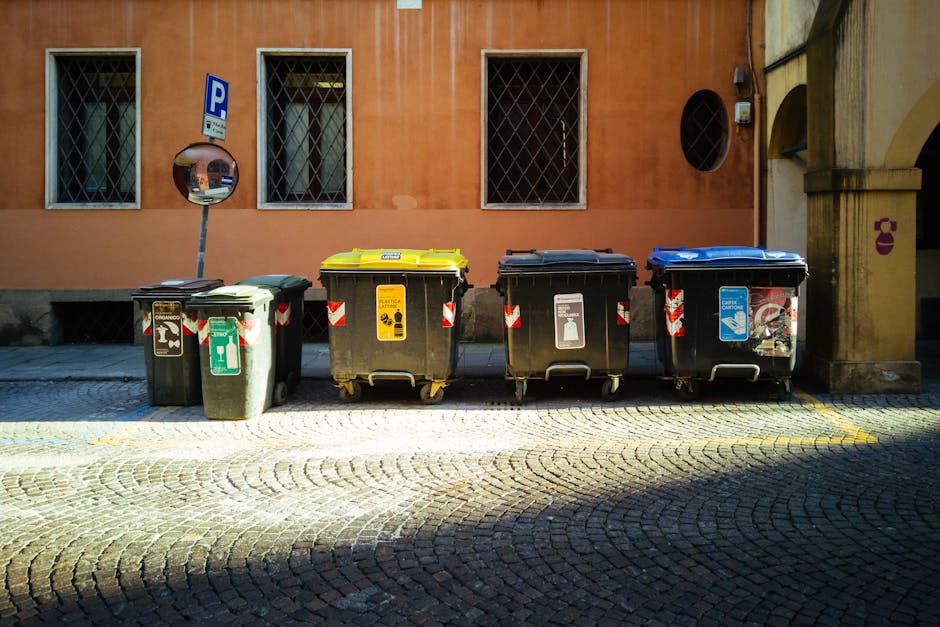
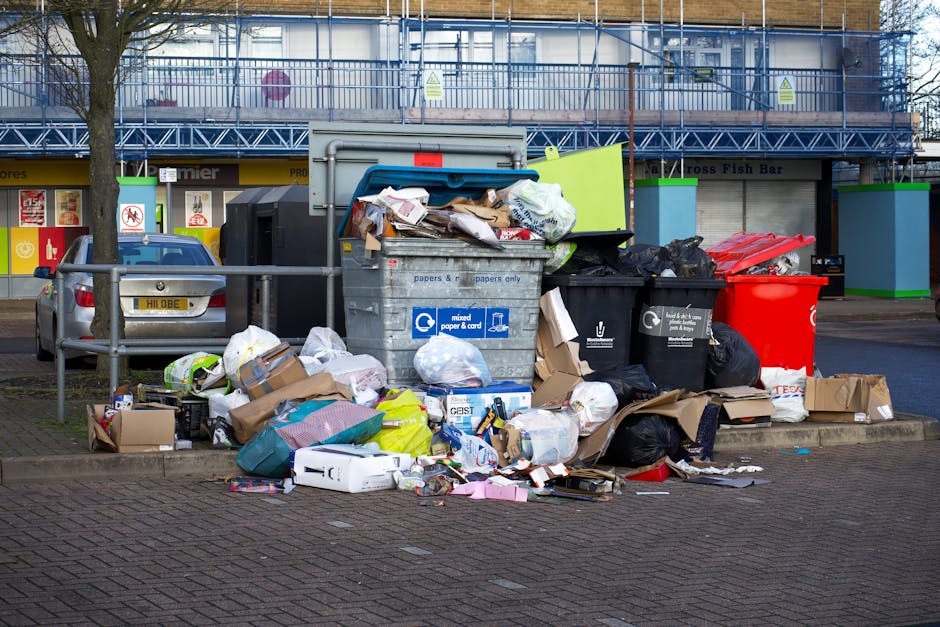
Kingston council rules for bulky waste and cleaning disposal: a practical guide for residents and landlords
If you are trying to clear a mattress, old sofa, broken furniture, or bags of cleaning waste in Kingston, the rules can feel oddly fiddly. One minute you are dealing with a bulky item from the hallway, the next you are wondering whether a mop bucket, paint residue, or a pile of renovation dust counts as regular household waste or something that needs special handling. That is exactly where Kingston council rules for bulky waste and cleaning disposal matter. They help you stay on the right side of local waste rules, avoid fly-tipping headaches, and choose the most sensible disposal route for the job.
In this guide, we will break down what bulky waste usually means, how cleaning-related disposal is typically handled, what you can and cannot put out, and how to plan a tidy, compliant clearance without making a mess of the whole thing. There are a few grey areas here, to be fair, and that is normal. Let's make them clearer.
Table of Contents
- Why Kingston council rules for bulky waste and cleaning disposal Matters
- How Kingston council rules for bulky waste and cleaning disposal Works
- Key Benefits and Practical Advantages
- Who This Is For and When It Makes Sense
- Step-by-Step Guidance
- Expert Tips for Better Results
- Common Mistakes to Avoid
- Tools, Resources and Recommendations
- Law, Compliance, Standards, or Best Practice
- Options, Methods, or Comparison Table
- Case Study or Real-World Example
- Practical Checklist
- Conclusion
- Frequently Asked Questions
Why Kingston council rules for bulky waste and cleaning disposal Matters
Waste is one of those things people only think about when it becomes a problem. A ripped sofa on the landing. A pile of packaging after a deep clean. Dirty textiles from a move-out. A broken wardrobe that will not fit in the car. Suddenly, disposal is not a background task anymore; it is the job.
Kingston council rules for bulky waste and cleaning disposal matter because they shape what should go in the general bin, what needs a separate collection, and what should be taken to an appropriate facility or handled by a licensed waste carrier. Even if you are only clearing a single item, the wrong choice can lead to blocked shared bin stores, odours, pests, missed collections, or complaints from neighbours. Nobody wants that on a Monday morning.
There is also a practical side. Proper disposal saves time and reduces the chance of having to move the same item twice. If you are preparing a tenancy handover, finishing end of tenancy cleaning, or resetting a property after guests, it makes sense to coordinate cleaning and removal together rather than treating them as two separate headaches.
Expert summary: bulky waste is usually about size and handling difficulty, while cleaning disposal is about material type and contamination. Once you separate those two questions, the right disposal route becomes much easier to spot.
How Kingston council rules for bulky waste and cleaning disposal Works
At a high level, the process is straightforward: identify the item, check whether it is bulky, hazardous, or recyclable, then choose the correct disposal route. The catch is in the details. A sofa is bulky. A bucket of diluted cleaning water is not the same as leftover paint stripper. A bag of textile offcuts is not the same as rubble. And once an item is contaminated with grease, mould, chemicals, or bodily fluids, it may no longer be suitable for simple reuse or recycling.
For residents in Kingston, the safest approach is to assume that anything large, awkward, or mixed-material needs a closer look before you put it out. Many councils treat bulky waste separately from ordinary household rubbish because of its size, collection logistics, and potential recycling value. Cleaning disposal, meanwhile, is often judged by what the waste contains. Paper towels used for light dusting are one thing; solvent-soaked cloths are another. Bit of a difference, really.
In everyday terms, think of it like this:
- Bulky waste includes large household items that do not fit in standard bins.
- Cleaning disposal covers the leftover waste from cleaning tasks, such as packaging, cloths, disposable wipes, and contaminated materials.
- Special waste may apply where the item contains chemicals, sharp parts, electrical components, or anything potentially hazardous.
If you are cleaning a property professionally or preparing a home before moving, it helps to pair waste decisions with the right service. A one-off clear-out often sits alongside one-off cleaning, while larger property refreshes may involve deep cleaning before disposal begins.
Key Benefits and Practical Advantages
Following the rules is not just about avoiding trouble. It genuinely makes the whole process smoother.
- Less risk of missed collections: items left out incorrectly are often ignored or cause issues for neighbours.
- Cleaner communal spaces: in flats or managed buildings, good disposal keeps shared areas usable and tidy.
- Better recycling opportunities: some bulky items can be reused, broken down, or routed into recovery streams.
- Lower contamination: separating cleaning waste properly prevents recyclable material from becoming landfill-bound.
- Reduced stress at move-out: if you are on a deadline, clear rules save last-minute scrambling.
There is another benefit that people overlook: a more orderly property handover. If you are doing move-out cleaning or even arranging move-in cleaning, disposal discipline helps you see the place properly. It sounds small, but once the clutter is gone, you notice the dust, marks, and forgotten corners much more clearly.
Who This Is For and When It Makes Sense
This topic is relevant to far more people than you might expect. In practice, Kingston council rules for bulky waste and cleaning disposal come up for:
- homeowners clearing old furniture or broken household items
- tenants preparing for end-of-tenancy inspections
- landlords turning over a property between occupancies
- flat managers dealing with shared-bin misuse or abandoned items
- local businesses disposing of packaging, fixtures, or cleaning-related waste
- people finishing refurbishment or post-work tidying after builders
The same applies whether the job is small or not-so-small. One damaged mattress can be more awkward than three bags of general rubbish. A single paint-stained drop cloth can trigger different handling from a pile of ordinary dust sheets. Truth be told, the moment waste becomes mixed or contaminated, the decision gets less obvious.
For commercial spaces, the stakes are a little higher because waste can affect operations, appearance, and staff safety. If that sounds familiar, you may want to pair disposal planning with commercial cleaning or office cleaning so the site is cleared and reset properly, not just made "less messy".
Step-by-Step Guidance
Here is a simple way to approach bulky waste and cleaning disposal without overthinking it.
- Separate the waste into groups. Put large furniture, general cleaning waste, recyclables, and anything potentially hazardous into different piles.
- Check whether the item is bulky or ordinary. A bin bag of wipes is ordinary. A sofa is bulky. A broken vacuum may be bulky and electrical at the same time.
- Look for contamination. If items are soaked in oil, paint, bleach, or heavy dirt, they may need special handling.
- Keep reusable items out of the waste stream. If something can be donated, repaired, or reused safely, that is often the cleaner option.
- Choose the right route. That may mean council collection, a licensed private clearance, or taking items to an appropriate disposal point.
- Book ahead where needed. Bulky waste collections usually need planning. Do not leave it to the morning of the move.
- Bag and contain cleaning waste properly. Used cloths, disposable wipes, and debris should be sealed so they do not leak or spread dirt.
If you are dealing with a large post-renovation clear-up, it can help to schedule after builders cleaning after the heaviest debris has been removed. Otherwise you end up cleaning dust around items that should have gone first, which is not exactly efficient.
One useful rule of thumb: remove the biggest, dirtiest, and most awkward items first. Then clean the surfaces that were hidden under them. That order just makes sense.
Expert Tips for Better Results
These are the small things that tend to make the biggest difference.
- Measure before moving: if an item needs to pass through a narrow staircase or communal hallway, check the route first.
- Use bags with purpose: heavy, damp, or sharp waste should not go in flimsy sacks that split halfway down the stairs.
- Keep a "maybe" pile: when you are unsure whether an item is reusable, recyclable, or waste, set it aside rather than guessing under pressure.
- Label cleaning chemicals: never mix containers or pour unknown liquids together. That is basic safety, but easy to ignore when you are tired.
- Plan for last-touch cleaning: once bulky items are gone, do a final sweep, vacuum, and wipe-down.
If you are dealing with soft furnishings, a lot of people forget that cleaning and disposal can overlap. A stained sofa might be salvageable with sofa cleaning or upholstery cleaning. Same with a rug that looks beyond hope at first glance but may actually recover with rug cleaning. It is worth checking before you throw good money, or a good item, away.
And yes, sometimes the right answer is still to dispose of it. A rotten mattress is a rotten mattress. No amount of optimism fixes that.
Common Mistakes to Avoid
Most disposal problems come from rushed decisions. Here are the ones we see most often.
- Putting bulky items out without checking collection rules. That can lead to missed pickup or complaints.
- Mixing cleaning waste with general rubbish. This makes sorting harder and can increase disposal costs.
- Leaving bags open or leaking. Liquid residues and loose debris are unpleasant for everyone nearby.
- Assuming all "cleaning waste" is harmless. Some residues are chemical, abrasive, or sharp.
- Forgetting shared areas. In flats, hallways and bin stores need to stay clear. The neighbour with the buggy notices these things, believe me.
- Ignoring tenancy obligations. If you are moving out, a sloppy disposal job can become a deposit dispute later.
One mild but common error is trying to save time by throwing everything into one big pile and sorting later. That almost always creates more work later. Later is where the mess wins.
Tools, Resources and Recommendations
You do not need fancy equipment to manage most household disposal tasks well. A few sensible tools help enormously:
- strong refuse sacks and rubble sacks
- gloves with a decent grip
- dust sheets or tarps to protect floors
- labels or marker pens for separating piles
- a tape measure for bulky items and access routes
- a vacuum and microfiber cloths for the final clear-down
For regular upkeep, especially in homes with children, pets, or lots of traffic, it helps to keep on top of cleaning before waste gets out of hand. A good regular cleaning routine reduces the build-up of dust, packaging, and clutter that later turns into a disposal job. That sounds obvious, but life gets busy and the spare room quietly becomes a storage cave. We have all seen it.
For homes, a practical mix might be: routine maintenance through house cleaning, then a one-off reset when items need to go. If carpets are being replaced or heavily dirtied during a clearance, carpet cleaning may be the better call before you decide a room needs new flooring entirely.
Also, keep your documents and receipts for disposal or clearance work if you are a landlord, agent, or business. It is simple evidence of what was removed and when. Not glamorous, but useful.
Law, Compliance, Standards, or Best Practice
When waste disposal involves property, shared access, or commercial premises, best practice matters almost as much as the practical clear-up. In the UK, waste should be handled responsibly, with due care for safety, contamination, and lawful transfer. That means checking whether a waste stream is general household waste, recyclable material, mixed waste, or something that needs special treatment. It also means using reputable disposal methods and not leaving waste where it creates a nuisance or hazard.
For residents, a sensible approach is to follow local collection instructions carefully and avoid guessing when an item looks borderline. For landlords and businesses, good waste practice should sit alongside property safety, tenant expectations, and contractor oversight. If a cleaner or clearance provider is involved, the relationship should be clear, documented, and covered by appropriate terms. If you want to understand how a provider frames service boundaries, their terms and conditions and insurance and safety information are sensible places to start.
There is also a sustainability angle. Reuse and recycling should be considered before disposal where practical. That aligns well with proper rubbish handling and with services that aim to reduce waste generation rather than simply remove it. If that matters to you, it is worth reading a provider's approach to recycling and sustainability.
Best practice, in plain English, looks like this: keep waste sorted, keep hazardous material separate, protect shared spaces, and use a route that is proportionate to the item. No drama. Just sensible care.
Options, Methods, or Comparison Table
There is rarely one perfect disposal route. The right method depends on the item, timing, and how much lifting you want to do yourself.
| Method | Best for | Pros | Watch-outs |
|---|---|---|---|
| Council bulky waste collection | Large household items, single pieces, planned clear-outs | Convenient, usually straightforward, suited to domestic use | May need advance booking and item restrictions can apply |
| Private clearance service | Multiple items, urgent jobs, access difficulties, mixed waste | Flexible timing, more hands-on help, good for bigger jobs | Choose carefully and confirm what is included |
| Reuse or donation | Usable furniture, appliances, textiles in decent condition | Lower waste, often better for sustainability | Not suitable if items are damaged, dirty, or unsafe |
| DIY disposal | Small loads, residents with transport and time | Direct control, flexible if you know what you are doing | Heavy lifting, vehicle access, and sorting can be tiring |
In many real situations, the best answer is a mix. A tenant might book a removal for a broken bed base, reuse a chair, and dispose of cleaning packaging separately. A business might use communal area cleaning to keep shared spaces neat while larger items are moved out of the way. Small detail, big difference.
Case Study or Real-World Example
Imagine a two-bedroom flat in Kingston at the end of a tenancy. The tenants have packed, but there is still a mattress, a small wardrobe, a few damaged kitchen chairs, and a collection of cleaning leftovers: empty spray bottles, cloths, cardboard packaging, and a half-used floor cleaner. The hallway is narrow, the lift is busy, and the cleaner arrives just before midday.
The sensible sequence is simple. First, the bulky items are identified and removed through the appropriate route. Next, the cleaning waste is sorted. Empty packaging that is clean enough to recycle is separated from contaminated cloths and any liquid residue. The flat is then finished with a final sweep, vacuum, and wipe-down. If the bathroom had deep limescale or the oven was left greasy, a specialist service like oven cleaning or targeted detailing may have been added before the final inspection.
The result is not dramatic. That is the point. The move-out becomes calmer, the property is left in better shape, and there is less last-minute panic over what should have gone where. Nice and boring. Which is exactly what you want with waste.
Practical Checklist
Use this quick checklist before you arrange disposal or put items out for collection:
- Have I separated bulky items from general cleaning waste?
- Does any item contain chemicals, sharp edges, or electrical parts?
- Could any item be reused, repaired, or cleaned instead of thrown away?
- Have I checked access routes, stairs, and lift dimensions?
- Are all waste bags sealed and easy to handle?
- Have I kept shared hallways, bin stores, and entrances clear?
- Do I know whether the disposal needs booking or special handling?
- Have I planned a final clean once the items are gone?
If you want the whole property reset in one go, combining disposal with a planned clean often works best. A fresh domestic cleaning session can take care of the finishing touches once the clutter and bulky items are out of the way.
Get a free quote today and see how much you can save.
Conclusion
Kingston council rules for bulky waste and cleaning disposal are really about common sense, proper sorting, and choosing the right route for the right material. Once you separate bulky items from contaminated cleaning waste, most of the confusion drops away. You will know what can be reused, what needs booking, what should be kept away from the general bin, and how to leave the space tidy without creating extra work for yourself or anyone else.
Whether you are moving out, managing a rental, clearing a workspace, or simply dealing with a stubborn pile that has been sitting there far too long, the best approach is steady and practical. Sort first. Lift carefully. Dispose properly. Then finish clean. Simple enough, really.
And when the last bag is gone and the room feels properly empty again, there is a quiet kind of relief to it. That part never gets old.
Frequently Asked Questions
What counts as bulky waste in Kingston?
Bulky waste usually means large household items that are too big or awkward for normal bins, such as furniture, mattresses, and other substantial items. The exact treatment can depend on the item type and condition.
Can I put a sofa out with regular rubbish?
Usually no. Sofas are typically treated as bulky items because of their size and handling needs. They often need a separate collection or another approved disposal route.
How should I dispose of cleaning waste after a deep clean?
Separate general rubbish, recyclable packaging, and anything contaminated by chemicals or heavy dirt. Used cloths, wipes, and residue should be sealed securely so they do not leak or spread mess.
Is a mop bucket or broken vacuum classed as bulky waste?
A mop bucket is often just ordinary waste if it fits the usual disposal route, but a broken vacuum can be bulky and electrical at the same time. That is why checking the item category matters.
Can I leave bulky items in a communal bin area?
Only if the collection route allows it and the item will not block access or create a hazard. In many shared buildings, leaving items in common areas causes complaints very quickly.
What should I do with leftover cleaning chemicals?
Do not pour unknown chemicals together. Keep them in their original containers where possible and follow safe handling practices. If you are unsure, treat them as potentially hazardous and do not mix them with regular waste.
Do I need a professional to remove bulky waste?
Not always. A single small item may be manageable on your own if you have the right vehicle and lifting ability. But bigger clear-outs, tight access, or mixed waste usually make professional help worth considering.
How do I avoid problems at the end of a tenancy?
Clear bulky items first, then do a proper clean and final waste sort. Keep proof of disposal where relevant, and do not leave damaged furniture, packaging, or cleaning debris behind.
Can items be cleaned instead of thrown away?
Sometimes, yes. A stained rug, sofa, or upholstery item may be recoverable with targeted cleaning. That said, if the item is structurally damaged, heavily contaminated, or unsafe, disposal is usually the better option.
What is the biggest mistake people make with cleaning disposal?
The biggest mistake is mixing everything together and hoping it sorts itself out later. It rarely does. Separate the waste early and the whole job becomes cleaner, faster, and less stressful.
Are there sustainability benefits to following council waste rules?
Yes. Careful sorting helps keep reusable or recyclable material out of general waste, reduces contamination, and makes disposal more efficient. Small actions add up, especially in busy homes and shared buildings.
When should I arrange disposal before a clean?
Ideally, bulky disposal happens before the final clean, especially if furniture or large items are blocking dust, dirt, or access to floors and corners. It saves time and avoids cleaning around stuff that is going anyway.